


At a glance
- Home insurance costs are rising rapidly in high-risk coastal areas due to increasing climate-related hazards.
- Higher premiums and reduced availability of cover can affect property values and long-term confidence in coastal living.
- Homeowners can take steps to better understand their insurance and reduce physical risk, but these actions may not always lead to lower premiums.
- Location-based risk means insurance can still become unaffordable or unavailable, even for well-prepared households.

Rising seas bring rising insurance costs for home owners
Rising costs of home insurance is a growing concern for property owners in vulnerable coastal areas. As climate risks grow, some insurers are increasing premiums or withdrawing coverage. For homeowners, this creates immediate financial pressure and longer-term uncertainty about the viability of owning, maintaining or selling coastal property.
These rising costs also raise deeper concerns about the future of coastal communities. If insurance becomes unaffordable or unavailable, property values may fall and lenders may be more cautious. Over time, this can discourage investment and contribute to difficult decisions about where people choose to live, particularly in low-lying or erosion-prone locations.
Taking an active approach to insurance
Homeowners can take action by understanding their insurance coverage and exploring ways to reduce risk. This begins by fully understanding what is covered and what is not, asking the right questions, and regularly reviewing their policies.
Research shows that many householders have only a superficial understanding of their insurance policies. Although insurers provide detailed Product Disclosure Statements and Key Fact Sheets, policies are often purchased or renewed based on price, brand familiarity or convenience rather than close scrutiny of exclusions and limits.
For coastal property owners, it is especially important to:
- understand exclusions related to flooding, erosion and 'actions of the sea'
- ask insurers how local coastal risks are assessed
- regularly review coverage as risks, rebuilding costs and premiums change
- compare policies across providers, recognising that availability may be limited in higher-risk locations
Even with careful comparison, some homeowners may find that affordable coverage is increasingly difficult to secure due to their location rather than their individual actions.
an ABC article about extreme events and implications for property owners (McLaren 2024)

Coastal property owners warned of growing extreme weather risks as insurance costs soar (McLaren 2024).
- @ Justin Huntsdale, ABC IllawarraInsurance for property owners
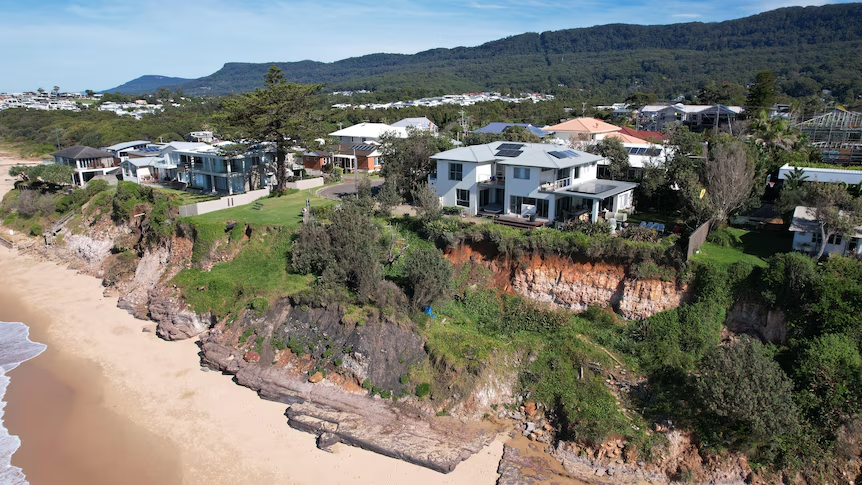
Coastal property owners warned of growing extreme weather risks as insurance costs soar (McLaren 2024).
@ Justin Huntsdale, ABC Illawarra
Seek ways you can reduce your risk and your premium
Improving a home’s physical resilience can reduce damage from extreme weather and coastal flooding. Measures such as elevating buildings, improving drainage, sealing openings or using flood-resistant materials can lower risk and improve safety.
In some cases, insurers take account of these measures when setting premiums. However, approaches vary widely between insurers, and premium reductions are not guaranteed. Location-based risk, reinsurance costs and insurer risk thresholds often play a larger role than individual property improvements.
The Insurance Council of Australia advises homeowners to speak directly with insurers before and after undertaking mitigation works, to understand whether those actions are likely to affect premiums and to ensure they are properly recognised.
Importantly, resilience upgrades almost always have value in reducing damage and disruption during extreme events - even if they do not result in immediate insurance savings.
Is there an app for that?
App for bushfire preparation can reduce premiums
In other hazard contexts, insurance-linked risk assessment tools have begun to emerge. While there is not yet an app for coastal resilience, homeowners in bushfire-prone areas can reduce their household insurance premiums by completing an app-based assessment of their risk.
Developed by the Resilient Building Council, the Bushfire Resilience Rating app measures local bushfire risk for individual homes to produce a customised action plan.
Households with a higher Bushfire Resilience Rating are offered a large insurance discount.
a video about the Bushfire Resilience Rating app