


At a glance
- Climate change challenges traditional risk management approaches.
- Risk arises from the interaction of hazard, exposure, and vulnerability.
- Climate risks can compound, cascade, and affect multiple systems at once.
- Different organisations need different levels of assessment detail.

What is a climate change risk assessment
A climate change risk assessment provides a structured, forward‑looking way to understand how changing climate conditions may affect assets, services, communities, and ecosystems. It supports informed decision‑making by helping organisations identify where risks are emerging, how they may escalate over time, and what adaptation responses may be needed.
Key risk concepts
To undertake a climate risk assessment, it’s important to understand a small set of core concepts. Most of these are represented in Figure 1.
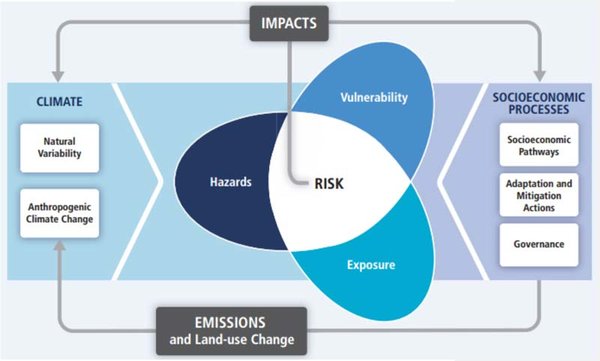
Figure 1: Fundamental concepts of risk and vulnerability to climate change.
- Source: IPCC 2014 (Fifth Assessment Report, Working Group 2, Chapter 19, Figure 19-1).IPCC risk figure
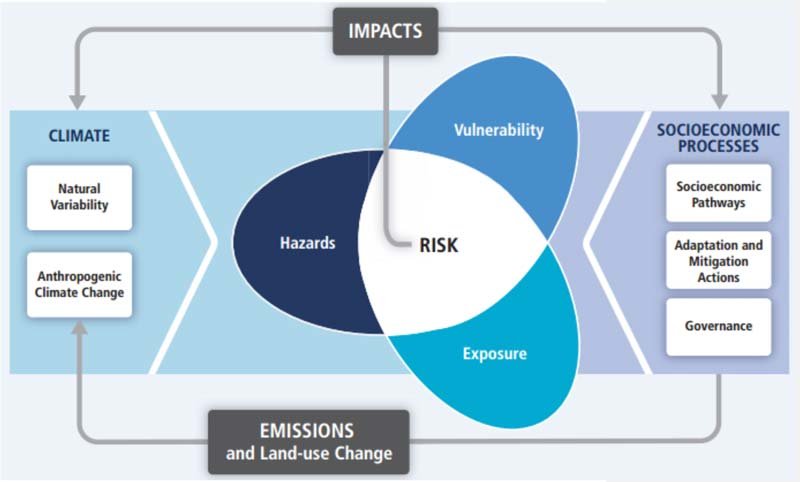
Figure 1: Fundamental concepts of risk and vulnerability to climate change.
Source: IPCC 2014 (Fifth Assessment Report, Working Group 2, Chapter 19, Figure 19-1).
Risk
Risk is the potential for adverse consequences for human or ecological systems resulting from the interaction of hazards, exposure, and vulnerability.
Climate risk can arise from a single climate hazard, multiple interacting hazards, or cascading impacts across systems.
Example: As sea levels rise, storm‑driven inundation can damage coastal roads, disrupt transport, and affect emergency access to create risks across multiple services.
Hazard
A hazard is defined as a climate‑related physical event or trend (such as heatwaves, droughts, storms, or sea‑level rise) that has the potential to cause harm to people, ecosystems, infrastructure, and economies.
Hazards may occur alone or in combination, and can trigger compounding or cascading impacts, especially when multiple hazards interact.
Examples:
- As sea level rises, increased frequency of inundation of an area during storm event is a potential hazard for a low lying coastal community.
- Rising sea levels combined with storm surge can compound to create more extensive coastal flooding than either hazard alone.
Vulnerability
Vulnerability is defined as the likelihood that a person, system, or environment will be negatively affected by climate-related hazards.
Vulnerability is shaped by biophysical sensitivity but also by governance, inequalities, access to resources, and social conditions. It includes factors such as how sensitive something is to climate impacts, how susceptible it is to harm, and the extent to which it lacks the capacity to cope with or adjust to future conditions.
Example: People that experience chronic illness and have limited access to healthcare and cooling are more vulnerable during heatwaves due to both physical sensitivity and social factors.
Exposure
Exposure is defined as the presence of people, ecosystems, infrastructure, assets, or services in places that could be adversely affected by climate hazards.
Exposure is dynamic, and so it can increase or decrease over time with settlement patterns, population growth, development choices, and land‑use change.
Example: A rapidly growing coastal community that intensifies development in low-lying places can increase its exposure to storm‑related flooding.
Adaptive capacity
Adaptive capacity is defined as the ability of a system to adjust to climate impacts, reduce potential damages, seize opportunities, or cope with consequences. Adaptive capacity is influenced by governance, finance, institutions, knowledge, and technology.
Limits to adaptation, both social ('soft') and physical ('hard') limits can constrain what systems can achieve.
Example: A community with strong emergency planning, adequate resources, and effective governance has higher adaptive capacity to respond to extreme heat events.
Sensitivity
Sensitivity is defined as a component of vulnerability and describes how strongly a system is affected by a climate hazard.
Sensitivity depends on the characteristics and criticality of the exposed system. Sensitivity can also be determined by the criticality of the service that the system provides.
Example: A coastal access road that provides the only route to a hospital is highly sensitive to flood events because disruption has immediate consequences for community safety.
Compounding and cascading risks
Climate risks rarely occur in isolation. Multiple hazards can interact, or impacts can cascade across interconnected systems.
Recognising these interactions is essential for understanding the full scale and complexity of climate risk—and for avoiding maladaptation.
Example: Rising sea levels increase the baseline water level along the coast, while more intense storms generate higher storm surges. When these hazards occur together, even moderate storms can cause flooding that damages roads, disrupts power and communications, and limits access to emergency services. These impacts can then cascade, affecting multiple systems.
more about compounding and cascading events
How risk is described and prioritised
Risk rating is also important in risk assessments. Risk is commonly described by considering:
- the likelihood of a hazard occurring
- the consequences if it does.
Example: A low‑lying coastal road may face increasing flood hazard as sea levels rise. If that road provides the only access to emergency services or a community, the consequences of disruption may be high, resulting in a high‑risk rating.
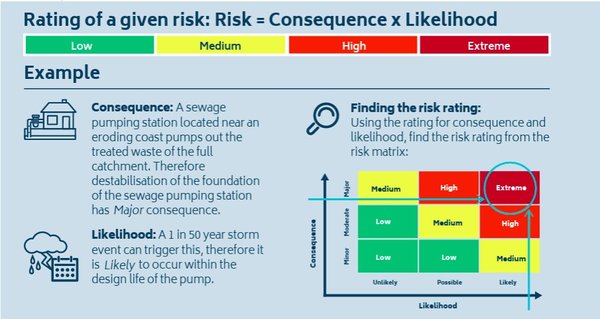
Figure 2: The risk rating determines how likely and impactful a risk could be.
- © NCCARFrisk rating
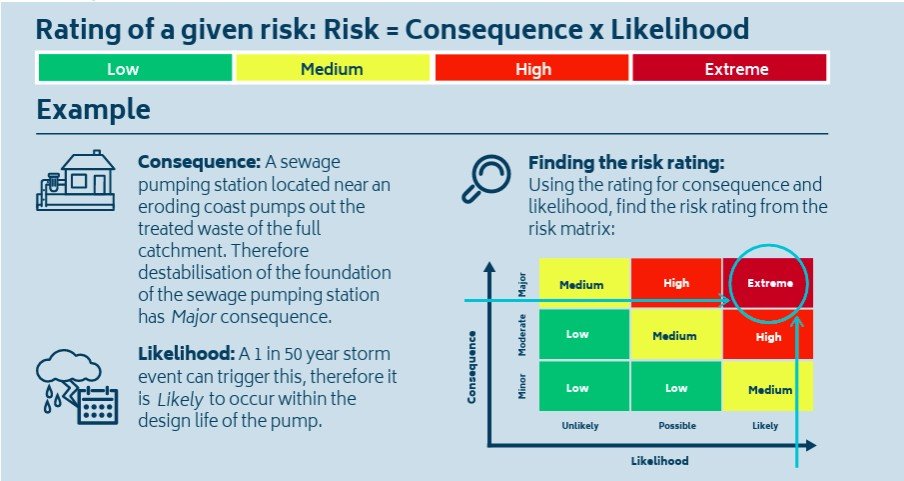
Figure 2: The risk rating determines how likely and impactful a risk could be.
© NCCARF
where risk assessments fit in to coastal adaptation planning with
more resources in CoastAdapt that provide useful context for risk assessment.
- An overview of where risk assessment fits within adaptation planning CoastAdapt's decision support tool C-CADS.
- Risk assessments undertaken by national and state jurisdictions
- Is your risk assessment aligned with just and fair adaptation?
Risk assessment does not predict the future or remove uncertainty. Instead, it helps identify what matters most and where attention should be focused.
What are the steps in a risk assessment
Broadly, a risk assessment includes four steps that work through the context of the risk, existing and future climate risks and an analysis of all of these (Figure 3).
These are given a risk rating, which comes from an assessment of the consequence and likelihood.
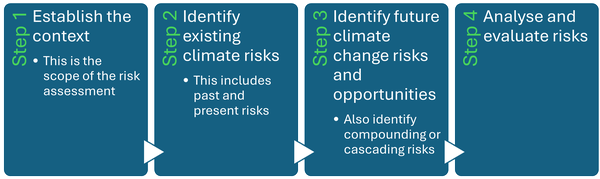
Figure3: There are typically four steps in a risk assessment.
RA steps
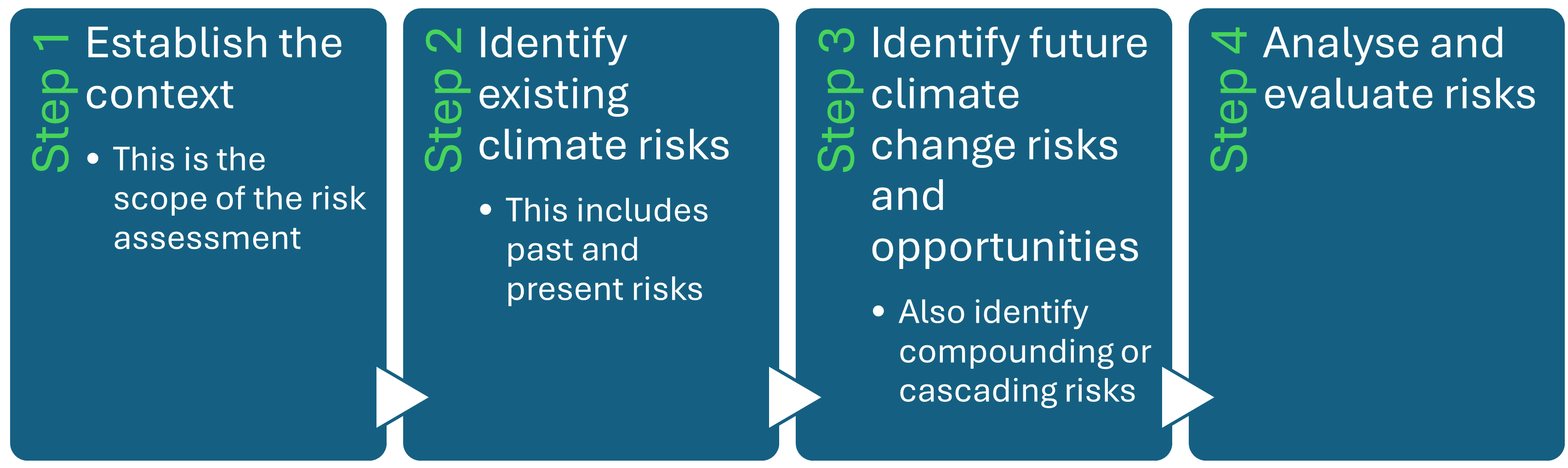
Figure3: There are typically four steps in a risk assessment.
Three types of risk assessment
There are three levels of risk assessment, each suited to different stages of the adaptation planning cycle and varying needs for detail.
- First-pass assessment (screening): A quick, straightforward way to get an overview of exposure to climate change risk.
- Second-pass assessment: A standard risk assessment using readily available data and expert judgment.
- Third pass (detailed) assessment: Applied when earlier assessments indicate high risk. This involves evaluating a fine-scale, targeted information and data, which can be costly and often requires contracting specialist consultants.
The appropriate scale and depth of assessment should reflect:
- the organisation’s objectives
- the nature and scale of the risks
- regulatory and governance requirements
- the available resources (e.g. data, funds, capacity, organisational support).
more resources in CoastAdapt about risk assessment.
more risk assessment tools and guidance for undertaking each type of risk assessment.