

At a glance
- Citizen science can enable effective marine monitoring by involving the public in tracking indicator species like nudibranchs and vital habitats such as seagrass meadows.
- Volunteer-collected data can be robust: it can contribute to long-term biodiversity records to support research and guide local conservation and climate adaptation strategies.
- Inclusive and flexible programs foster community engagement, building environmental awareness, social connection, and a shared sense of stewardship.
A Gold Coast based non-profit organisation, Ocean Connect, is committed to marine and coastal conservation through education, citizen science initiatives, and community engagement. By involving volunteers in hands-on projects, Ocean Connect creates opportunities for volunteers and citizen scientists to generate valuable data for science and management while strengthening the community’s connection to the ocean.

Monitoring indicator species and marine ecosystems
As coastal and marine environments increasingly experience changes in temperature, extreme weather events, eutrophication and ocean acidification monitoring key species and ecosystems is essential to provide insights into ecosystem health.
Ocean Connect’s projects include monitoring sea slugs (also known as nudibranchs) and seagrass meadows, hosting educational workshops, and organising community events. These activities provide valuable insights into ecosystem health and the impacts of climate change.
Both nudibranchs and seagrass are already experiencing the effects of climate change. Nudibranchs are known to be helpful indicator species for assessing fluctuations of water quality, temperature, and pH levels in marine environments. Meanwhile, seagrass meadows are important ecosystems and play a role in storing blue carbon, stabilising sediment, improving water quality and promoting biodiversity.
Citizen science can play an important role in gathering long term ecological data. Through regular surveys of key indicator species (such as nudibranchs) and critical ecosystems (such as seagrass meadows), citizen scientists can provide important insights into biodiversity and the effects of climate change. These efforts can help inform management decisions but also can increase community awareness and foster environmental stewardship.
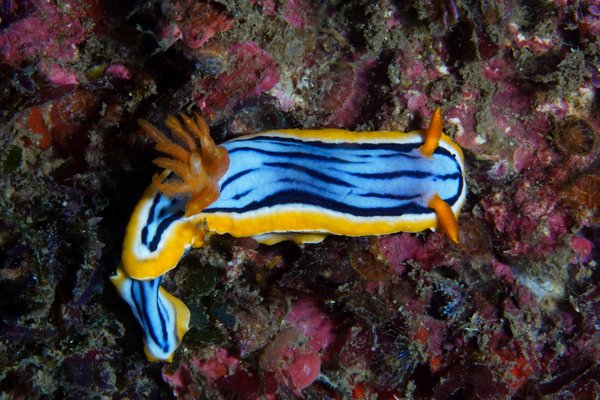
Both nudibranchs and seagrass are already experiencing the effects of climate change.
- © Roving MediaNudibranch

Both nudibranchs and seagrass are already experiencing the effects of climate change.
© Roving Media
Scientific impacts from the program
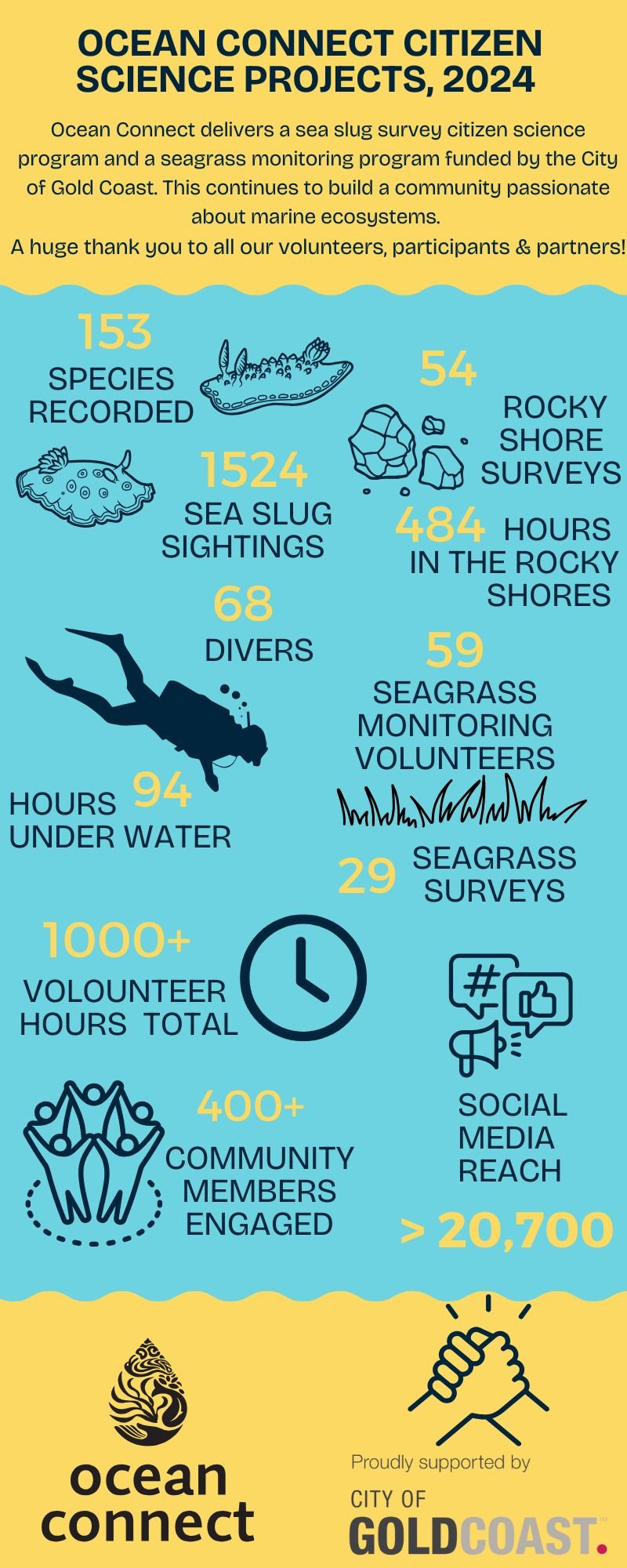
Ocean Connect’s citizen science programs, supported through collaboration with local government, have facilitated the collection of robust baseline ecological data, provided educational opportunities, and encouraged community engagement in ecosystem and biodiversity monitoring.
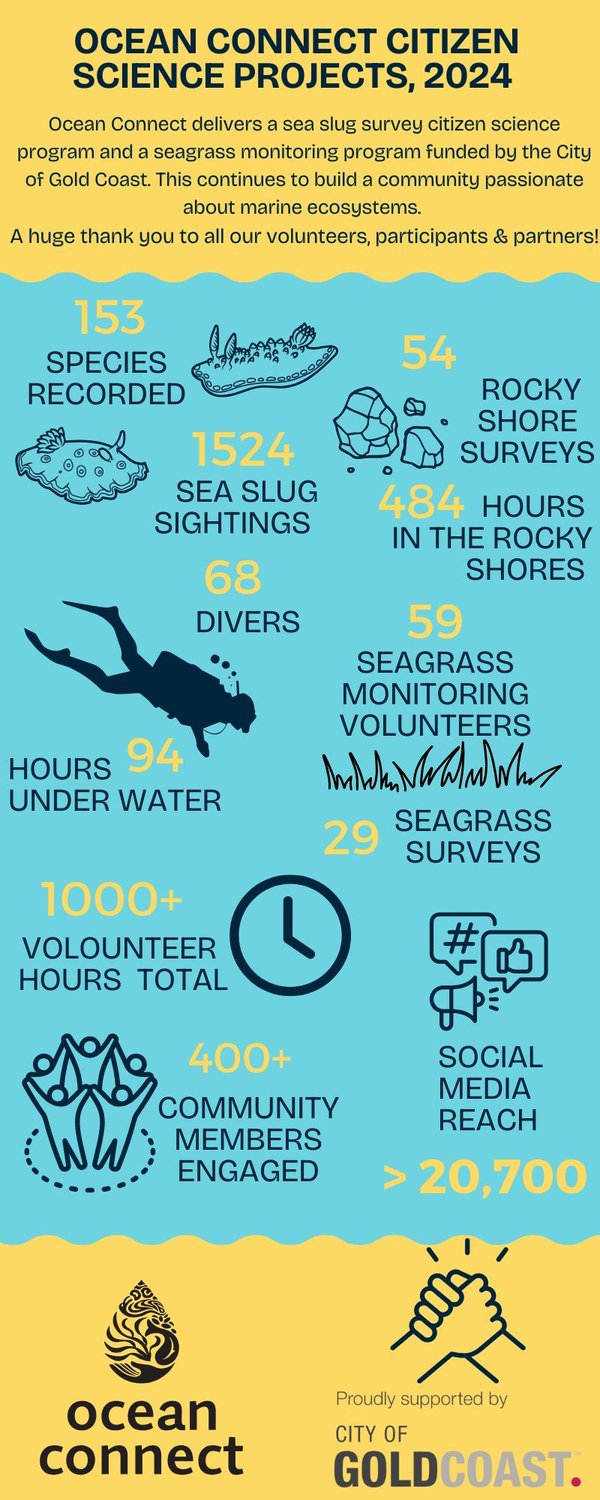
Each year, Ocean Connect's citizen science surveys capture more than 850 hours of volunteer time and have reached more than 400 members of the community. Since the program began, Ocean Connect has recorded a total of 150 species, 14 of which are new to science, and more than 3900 individual animals. This provides an invaluable baseline dataset that is building a longitudinal dataset documenting long-term changes in the local environment.
In 2024, Ocean Connect’s ‘sea slug survey’ was a popular data collection activity. Burleigh, located in the central area of the Gold Coast, offers very accessible rocky shores, which contributed to high levels of participation.
- Between diving and rock rambling a total of 553 community members participated, contributing 865 hours of volunteering.
- Sixty-four divers completed 12 dives from boats, kayaks and the shore and undertook a total of 94 hours of diving.
- From 2024, over a period of 14 months, a total of 195 hours were spent just in the rocky shores, collecting data and photographing species found.
- Four Ocean Connect facilitators led 54 surveys and involved 484 community members during these rock rambles.
- More than 1500 nudibranchs were found during these surveys in 2024 alone.
For the seagrass surveys in 2024, 59 individual volunteers participated in 29 monitoring events from boats, kayak and the shore, which is equivalent to 206 hours of volunteer effort.
Citizen science
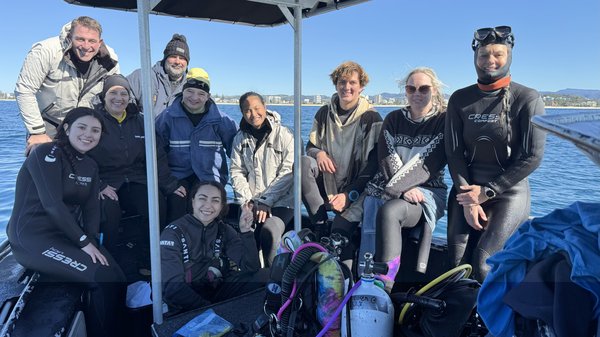
Divers in the seagrass survey.
- © Sebastian LoveraCitizen science ocean connects
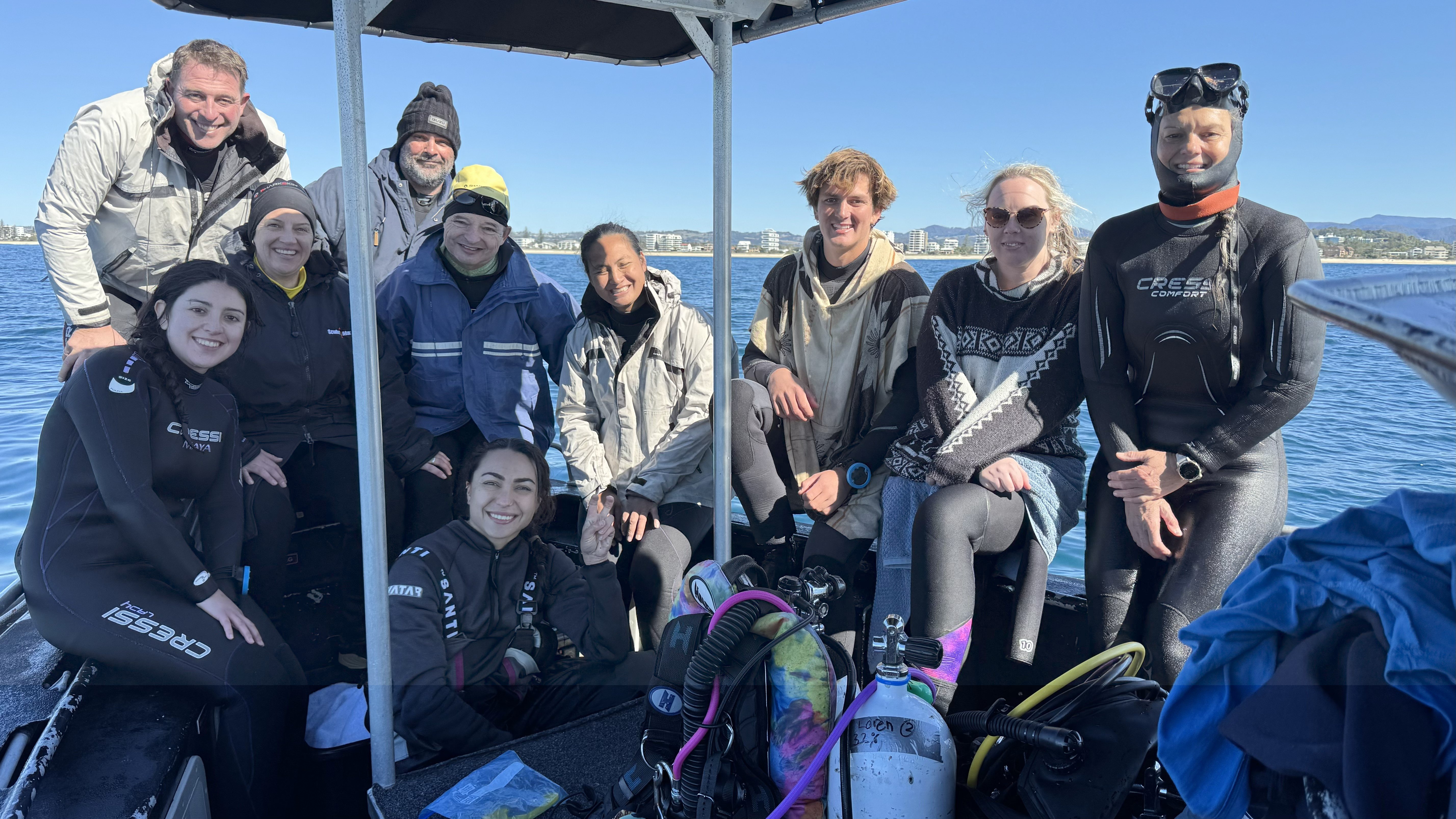
Divers in the seagrass survey.
© Sebastian Lovera
Social benefits from the program
Beyond its environmental and scientific contributions, the citizen science program delivers meaningful social benefits. Establishing these coastal surveys has enabled people from diverse backgrounds and ages – and varying time availability – to be involved, learn, and contribute to local marine conservation efforts.
Ocean Connect’s volunteer base includes retirees, students, families and people from culturally diverse backgrounds who are passionate about nature and want to spend time being outdoors, make impactful contributions, and build a community.
One of Ocean Connect's longest standing and most consistent volunteers, Lyn Sharp shared how citizen science has enriched her life since retirement:
“I feel less isolated, because people my age have limited abilities and were not able to join me in activities. The sea slug surveys have helped me to feel connected with different generations and made me feel part of the community.”
Lyn Sharp
Other members include students seeking internship experience who learn about Ocean Connect through their university. Newcomers to the area also look to get involved to create a community base of likeminded people. Many discover Ocean Connect through social media, local events advertised on platforms such as Eventbrite, and “what’s on” newsletters promoted by the city council via email and the council’s website.
At each event, volunteers are supported by an experienced survey leader, who could be a long-standing volunteer, a committee member, an experienced intern or usually Ocean Connect’s marine program manager.
Every participant is welcomed and introduced to the survey process, which includes a clear explanation of how everything works. Support is available throughout the survey to ensure everyone feels confident and included. The leaders are approachable, knowledgeable, and non-judgmental, creating a welcoming environment for volunteers of all backgrounds and experience levels.
Many of the volunteers report feeling more connected to their local environment and proud to contribute to meaningful research. Their involvement has helped to foster community connections to help address social isolation and community integration. This includes engaging students of all ages, families, retirees, new residents, and culturally and linguistically diverse communities. Recognising and publicly celebrating participants reinforces their value and contributions and encourages continued involvement.
Ocean Connect collects feedback from volunteers through both written forms and in person conversations, regularly asking how contributing to projects has impacted them. Ocean Connect’s volunteers increasingly report that they are more appreciative and knowledgeable of marine biodiversity. Many are now contributing their data to the Atlas of Living Australia, an open access Australian biodiversity platform. These volunteer photographs and observations help to map species diversity and distribution over time.
Success lies in inclusivity and flexibility
Ocean Connect’s success stems from its principles of accessibility and inclusivity that supports volunteer participation from different people, with varying time commitments, ages, and backgrounds. By providing flexible opportunities for involvement – from guided surveys, casual drop-in, to self-led activities – Ocean Connect has broadened its reach and encouraged repeat participation.
This approach has broadened community reach, and fostered collaborative and functional partnerships with local government, industry, and education and research institutions.
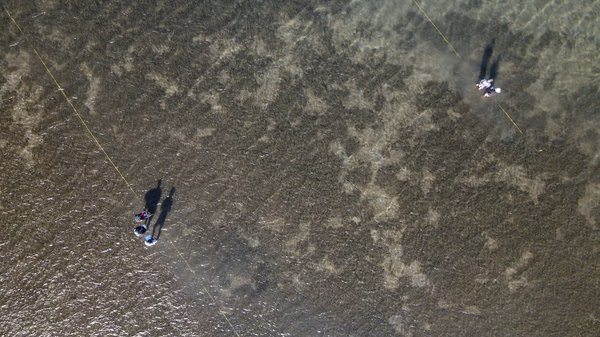
Aerial survey of the seagrass survey.
- © Roving MediaCitizen science
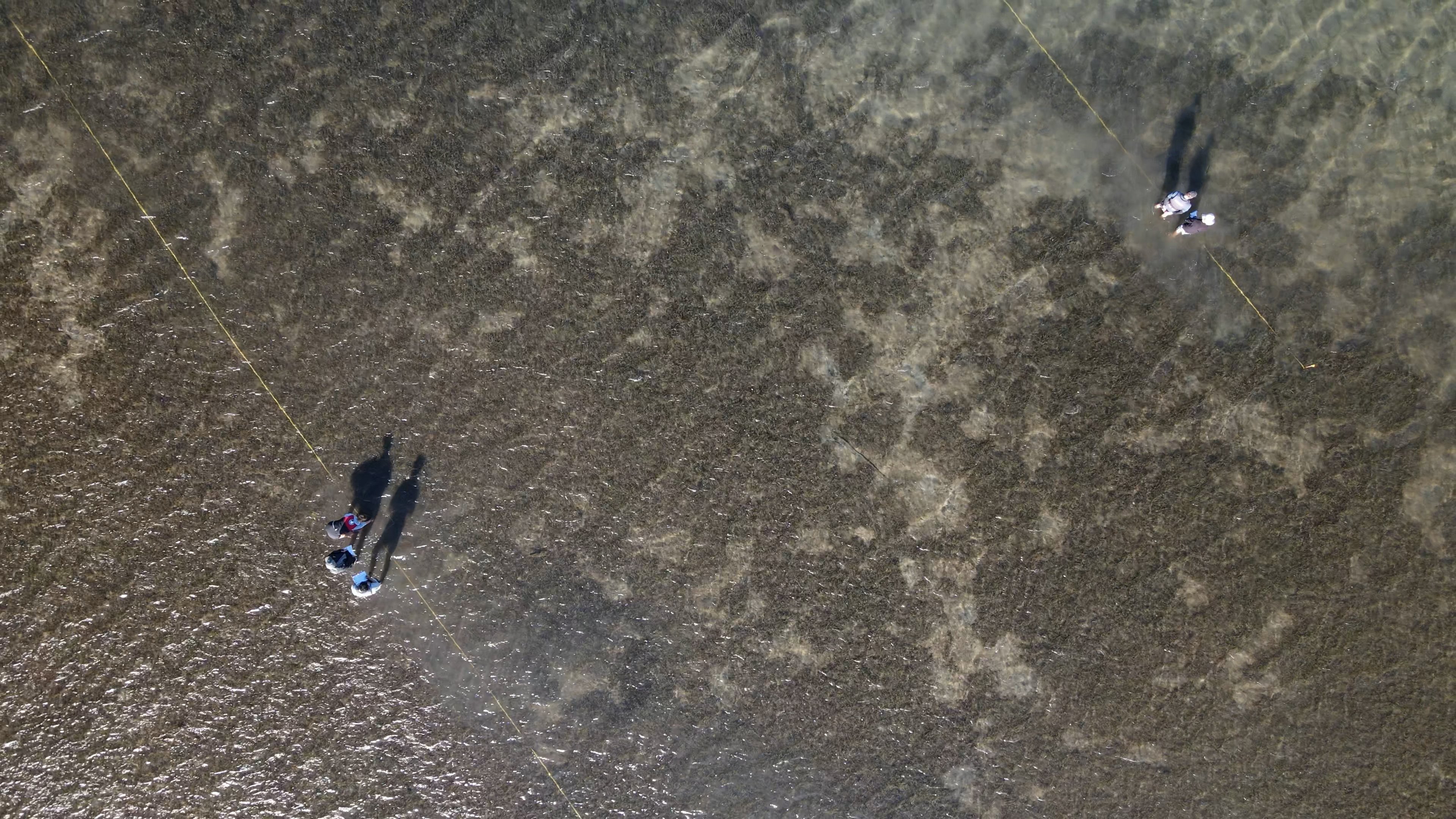
Aerial survey of the seagrass survey.
© Roving Media
To cite:
This case study was prepared by Ocean Connect. Please cite as: Breistroff, L. and Muurmans, M. 2025: Ocean Connect’s citizens scientists for marine stewardship and data collection. Case study for CoastAdapt, National Climate Change Adaptation Research Facility, Griffith University, Gold Coast.