



At a glance
Rising climate impacts and a declared climate emergency in Huon Valley prompted concerns about mental health and social wellbeing.
The project aims to reduce climate anxiety, strengthen community resilience, and support local climate action through emotional and practical engagement.
The Be Calm framework combines mindfulness, nature connection, advocacy, and practical sustainability measures.
Activities have Included guided nature experiences, native plant distribution, an online hub for resources, and partnerships with local groups to link emotional wellbeing with tangible climate actions.

Addressing climate anxiety through community connection
Recognising growing concern about the mental and social impacts of climate change, Tasmania’s Huon Valley Council (HVC) launched the 'Be Calm' initiative in 2024. The program responds to climate anxiety as an emerging community wellbeing and adaptation issue, aiming to strengthen resilience, maintain engagement in climate action, and support social connection at a local scale.
"It became evident that people of all ages were experiencing climate anxiety with many stating they had not talked about it previously. The program provided 'permission' for many people to voice their concerns and explore coping strategies," explains Malcom Johnson, Manager Environmental Sustainability, Huon Valley Council.

Be Calm

© Huon Valley Council
Climate impacts and rising community concern
The Huon Valley, located in southern Tasmania, has an extensive coastline and high environmental values, making climate change impacts both visible and personally relevant for many residents. In 2023, Huon Valley Council declared a climate emergency, acknowledging increasing risks from climate change, including more frequent extreme weather, sea-level rise, and ongoing biodiversity loss.
Research shows that climate change can generate psychological stress, or climate anxiety, which may include feelings of fear, sadness, helplessness, and grief. Young people are considered to be vulnerable due to heightened exposure to climate information and perceptions of limited agency in decision-making.
Council recognised that if left unaddressed, these emotional responses could undermine community wellbeing and reduce sustained participation in adaptation and mitigation efforts.
Key lessons for other councils include:
- the value of nature-based activities for supporting wellbeing and constructive dialogue
- the importance of partnerships beyond traditional climate and planning sectors
- the role of simple, positive frameworks in making climate engagement accessible.
Program design and objectives
Funded by the Healthy Tasmania Fund through the Tasmanian Government, Be Calm was developed in partnership with local organisations, schools, cultural groups, and community practitioners. The initiative is designed to complement Council’s broader climate response by addressing the social and emotional dimensions of adaptation.
The program has three core objectives:
- Reduce climate anxiety by providing tools and practices to help individuals manage emotional distress associated with climate change.
- Strengthen community resilience by building social connection, shared understanding, and collective capacity to respond to climate risks.
- Support climate action by helping residents channel concern into constructive engagement, including local advocacy and practical sustainability measures.
The Be Calm uses a simple accessible framework that combines emotional support with practical action (see Box). This framework allows participants to engage at different levels, depending on their capacity, interests, and emotional readiness.
the BE CALM framework
B – Balance information: encourage residents to stay informed without becoming overwhelmed by negative news.
E – Engage in action: promote tangible steps, from reducing carbon footprints to participating in local sustainability projects.
C – Connect with nature: foster mental wellbeing through immersion in the Huon Valley’s natural landscapes.
A – Advocate and educate: empower individuals to raise awareness and influence positive change.
L – Lean on your community: build social networks to share experiences and strengthen collective resilience.
M – Mindfulness and self-care: support practices such as meditation, exercise, and hobbies to manage stress.
Activities
Launched in August 2024, the program combines online resources, nature-based experiences, and partnerships with local sustainability organisations.
- Nature-based and experiential activities
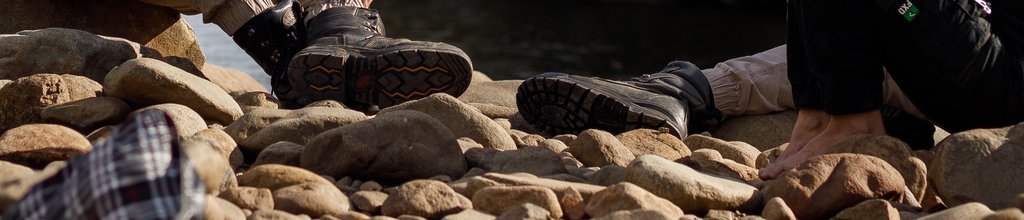
Community members participated in guided field trips to local natural sites, including the Grove of Giants and the Huon River at Judbury. These experiences aimed to reduce anxiety through sensory engagement with nature while deepening appreciation for local ecosystems and place-based values. Participants included young people, artists, Aboriginal representatives, educators, health practitioners, and Council staff.
Council’s nursery also distributed native plants, encouraging residents to support biodiversity and strengthen personal connections to local environments through hands-on action.
Field trip participants included young people, artists, local Aboriginal representatives, teachers and practitioners, and Council staff.
Launched in August 2024, the program combines online resources, nature-based experiences, and partnerships with local sustainability organisations.
- Online hub
Council developed an online hub that helps residents understand climate anxiety, identify coping strategies, and find pathways for involvement in action.
- Practical sustainability partnerships
The initiative partnered with local groups to highlight everyday climate action. For example, the Grassroots Action Network demonstrated rescued food initiatives to reduce waste, while Wildlife Together provided guidance on supporting native species in urban and rural settings. These activities helped link emotional responses to achievable, locally relevant actions.
the Be Calm project and its activities at the online hub
To cite:
This case study was prepared by NCCARF. Please cite as: NCCARF, 2024: 'Calming' climate anxiety through community connection in Huonville. Case study for CoastAdapt, National Climate Change Adaptation Research Facility, Griffith University, Gold Coast.