


At a glance
- Regional collaboration enabled Robe and neighbouring councils to identify shared coastal hazards and develop consistent adaptation planning across the Limestone Coast region.
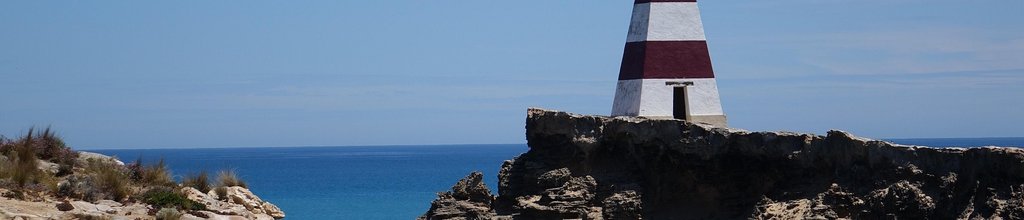
- The Robe Obelisk, an iconic colonial heritage structure, was identified as a high‑risk site due to significant and ongoing cliff erosion threatening the stability of the headland.
- Adaptation options considered include engineered protection, relocation, or allowing natural retreat: each carries trade‑offs involving cost, heritage values, environmental impacts and community expectations.
- A dedicated working group is assessing these options in detail, with Council to revisit and finalise the preferred adaptation pathway once the group’s recommendations are complete.
Regional coastal adaptation plan
The District Council of Robe is a small coastal community (population around 1200) on South Australia’s Limestone Coast. The town is recognised for its rugged limestone cliffs, fishing port, long sandy beaches and well‑preserved nineteenth‑century heritage buildings.
However, like many Australian coastal towns, Robe faces growing exposure to coastal hazards driven by rising sea levels, increasing storm activity and the accelerated erosion of the shoreline.
To strengthen its response to these challenges, Robe has partnered with neighbouring councils through a Regional Coastal Adaptation Plan. This collaboration provides consistency in technical assessments, shared access to specialist expertise, and a coordinated framework for long‑term decision‑making across the region.
The Regional Coastal Adaptation Plan provides shared hazard mapping, technical studies and strategic guidance, giving smaller councils the ability to plan more effectively for climate‑related coastal change.
For Robe, this process has identified several areas of heightened erosion risk, including vulnerable recreation sites, walking trails, and cultural landmarks situated close to cliff edges. This evidence base is now shaping council priorities, enabling a move from reactive management to long‑term planning.
how the District Council is planning for its coastline - the coastal adaptation plan and accompanying technical report - with impacts that include coastal erosion and likely loss of key historical icons of an obelisk.
The Robe Obelisk: a landmark under threat
One of the most significant high‑risk sites is the location of the Robe Obelisk, built in the 1800s as a maritime navigation aid to warn ships of offshore hazards. The Obelisk has long been an iconic symbol of the town and a key drawcard for visitors.
However, the coastline surrounding Cape Dombey has been retreating for decades. The Obelisk’s precarious situation has been discussed within the community for many years, as cliff collapses continue to undermine the headland. The structure is now endangered by the same coastal processes it once helped mariners avoid.
Within the Regional Coastal Adaptation Plan, the Obelisk site is formally identified as high risk, with future failure of the headland considered likely. Because the Obelisk holds strong heritage and community value, its future is a central focus of Robe’s adaptation work.
Options to protect, relocate and allow retreat have been discussed. The adaptation options and proposed pathway have been referred to a working group for further consideration and is to be reconsidered after this working group has reported.
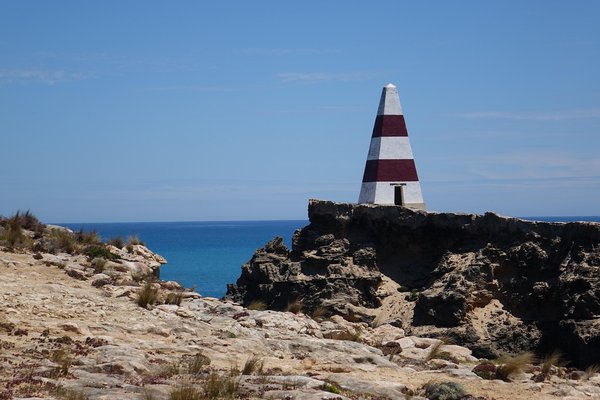
credit Komkick_obelisk-3847699_1920
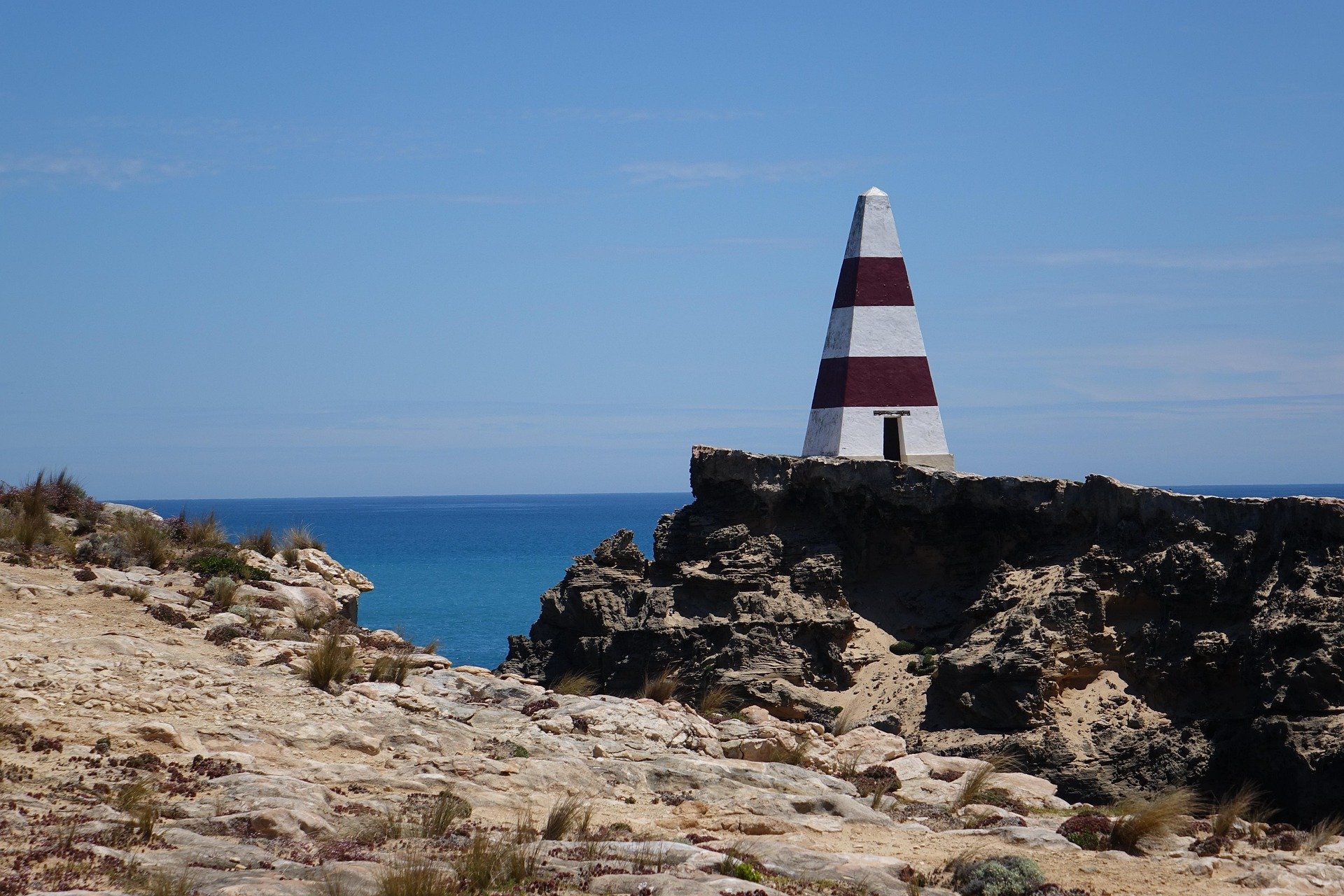
@ Komkick, PIxabay
What are the adaptation options?
The plan presents several adaptation options, structured around the standard coastal categories of protect, accommodate, retreat, and transition. One option is to protect the site through engineered measures designed to stabilise the cliffs or slow the rate of erosion. While this could extend the life of the headland, such works are costly, may alter the visual character of the coastline, and can have ecological impacts.
Another option is relocation, which involves moving the Obelisk to a safer location away from the eroding cliffs. This approach preserves the structure in some form but raises concerns about maintaining its heritage authenticity and about how the community may respond to its removal from the original site.
A further possibility is to allow natural retreat, acknowledging ongoing coastal processes and planning for the eventual loss of the structure. This would likely require the creation of new interpretive or commemorative elements elsewhere to maintain the cultural significance of the Obelisk. However, this option also means accepting the permanent loss of the original landmark.
Each option carries significant implications and so the Council referred the adaptation options and the proposed decision pathway to a dedicated working group for detailed consideration.
Local conversation shifts from 'how to save' to 'how to lose'
about the community and council discussions on the Obelisk.
The District Council of Robe initiated a community consultation campaign between December 2025 and January 2026 to explore options for preserving the Obelisk’s legacy.
Three options were presented: building a full replica, staging the project with an interim marker, or creating a contemporary silhouette interpretation.
With 78% of survey respondents favoring the immediate construction of a full replica, the Robe Obelisk Working Party has recommended proceeding with this option, estimating costs at $80,000–$100,000 for the structure and $250,000 for the overall project. The initiative aims to preserve Robe’s identity and history while addressing environmental and heritage concerns.
At the time of writing, Council had not yet discussed the results of the community consultation.