


At a glance
Brisbane Airport is the third busiest airport in Australia. Adjacent to Moreton Bay, the airport is low lying. Continual increase in flight traffic required the construction of a second parallel runway.
To ensure that the airport can operate continually over its projected lifespan, it was important the runway design considered the implications of climate change. Accordingly, a runway height of 1.5m above the minimum regulatory requirements was adopted.
Other climate change adaptation actions were also implemented including channels to reduce tidal flooding, and construction of a seawall.
There was extensive stakeholder engagement around the design, with a range of engagement activities undertaken over a period of almost two years.
Runway planning needs to consider climate impacts
Brisbane Airport is the third busiest airport in Australia; 15+ million passengers passed through the airport in 2023, and this number is projected to keep increasing.
To meet the growing demand for aviation, a second parallel runway began a planning phase in 2012, a construction phase in 2017, and was operational in July 2020.
Major infrastructure projects such as are subject to extensive work in surveying, planning and design, and also stakeholder engagement. There are also a significant number of legislated planning conditions and approvals.
Situated on reclaimed land adjacent to Moreton Bay, the airport is low lying. The long potential lifespan of an airport runway means that over time, as sea levels rise, there will be increased exposure to tides and storm surge. Accordingly, airport owners and managers wanted to ensure that the new development took account of the impacts of climate change.
Furthermore, Moreton Bay has important environmental, economic and recreation values, including being a marine protected area (Moreton Bay Marine Park) and a declared Ramsar site, which means it is a wetland of international significance under the Ramsar Convention.
Accounting for climate change
This planning and construction posed a range of construction and operational challenges. From the inception of the project, the team were cognisant of the need to consider future climate change impacts in design, construction and operation.
The planning phase considered risks associated with storm surge and sea level rise.
Based on the combined effect of tide level, storm surge effect and wave propagation, the most appropriate option was determined to be a runway height of 1.5 m above the minimum regulatory requirements for flood and storm tides and predicted sea-level rise.
The placement of the runway was a major consideration as there was a need to reduce potential impact on the Moreton Bay Marine park and Ramsar site.
Extensive stakeholder engagement
Due to its profile and complexity the project required significant engagement with a broad range of stakeholders. A stakeholder engagement process was conducted over almost two years in order to understand stakeholder perspectives across a diverse range of issues.
Consultation included the use of a range of materials and activities including:
- information kits
- project website
- freecall information line
- media announcements
- print advertising
- fact sheets
- public information sessions
- project displays in shopping centres and libraries
- targeted briefings with key stakeholder groups.
ICAO Environmental Report (2016) suggests Brisbane Airport Corporation received 196 public submissions including three that specifically questioned whether the proposed runway design adequately took account of the long-term impacts of climate change and sea level rise.
This engagement led to several design decisions.
The level adopted for the new runway—at 5.0 m above Airport Datum—ensures that there will be sufficient freeboard above the design storm tide level (see Figure 1).
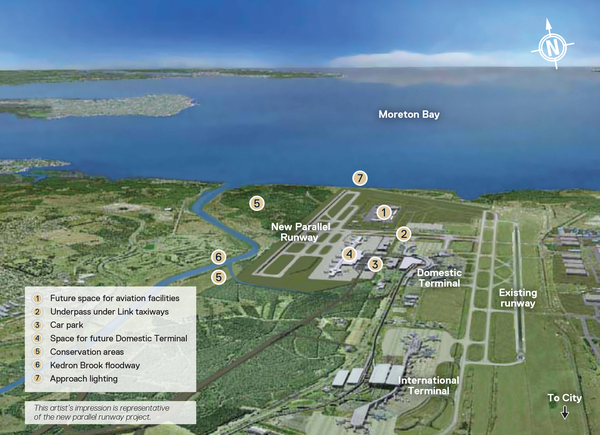
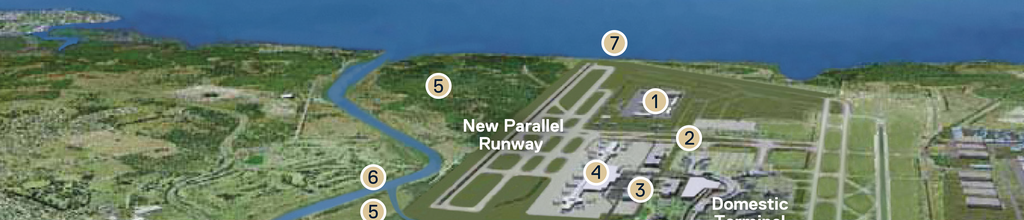
Figure 1: Annotated image of Brisbane Airport showing the placement of the new runway
- © Brisbane Airport Australia.SS16_Figure 1
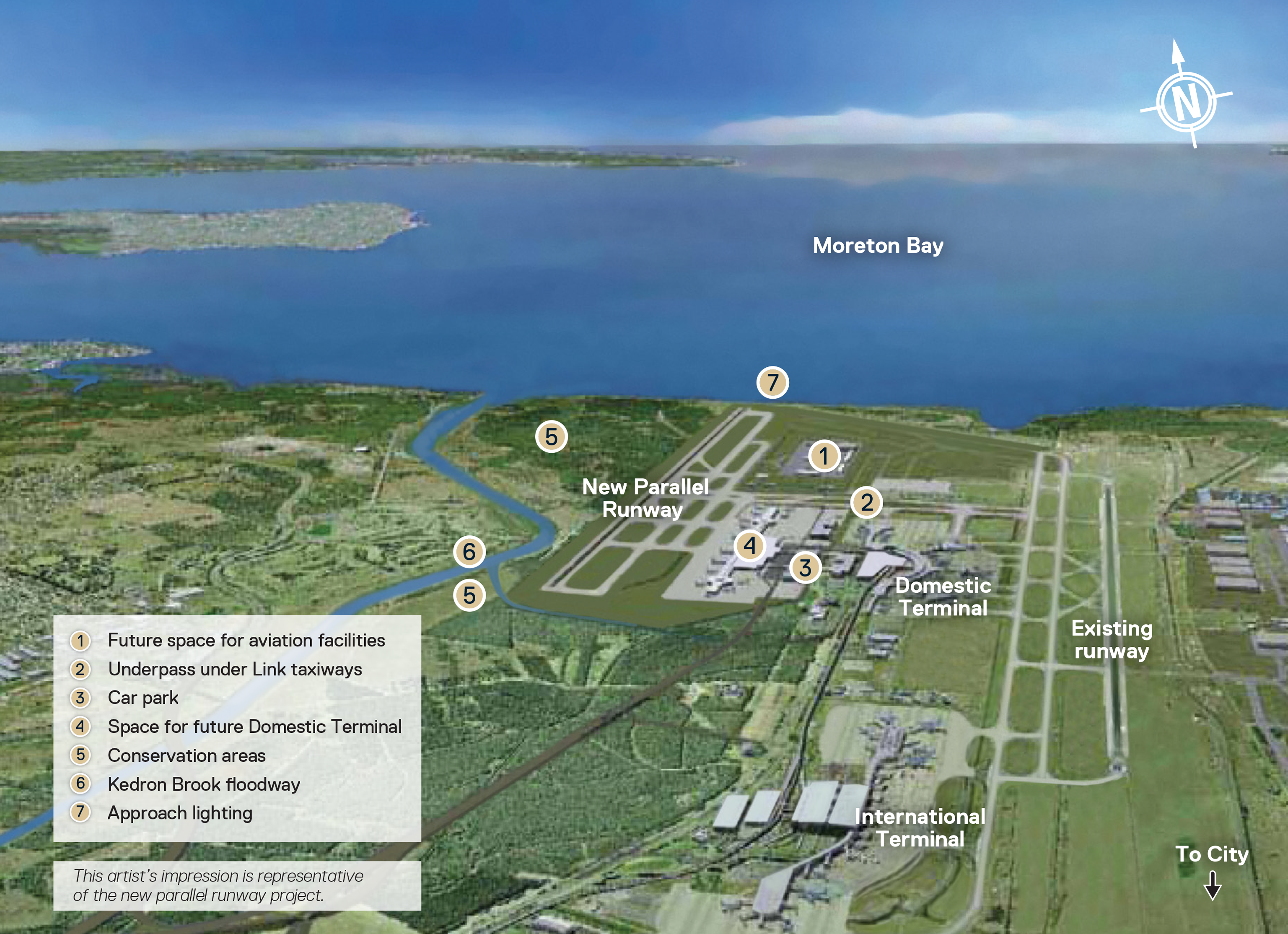
Figure 1: Annotated image of Brisbane Airport showing the placement of the new runway
© Brisbane Airport Australia.
Furthermore, the taxiways that link the new runway with the apron areas are also set above the 1-in-100 storm surge event. The selected height of the runway — at a level that will cope with seas and storm surge well above design level — addresses concerns regarding risks during the life of the project (see Figure 2).
A suite of other measures has been implemented to reduce exposure to long-term climate change. They included the construction of tidal channels and the installation of a new sea wall along the northern boundary of the airport.
Temperature increases in future decades was considered in the ultimate length planning for both the existing main runway and for the new runway. Both runways have the future capacity for additional lengths to be added.
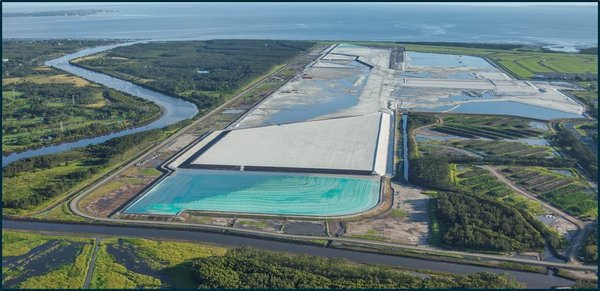
Figure 2: Brisbane Airport’s second runway under construction.
- © Brisbane Airport Australia.SS16_Figure 2
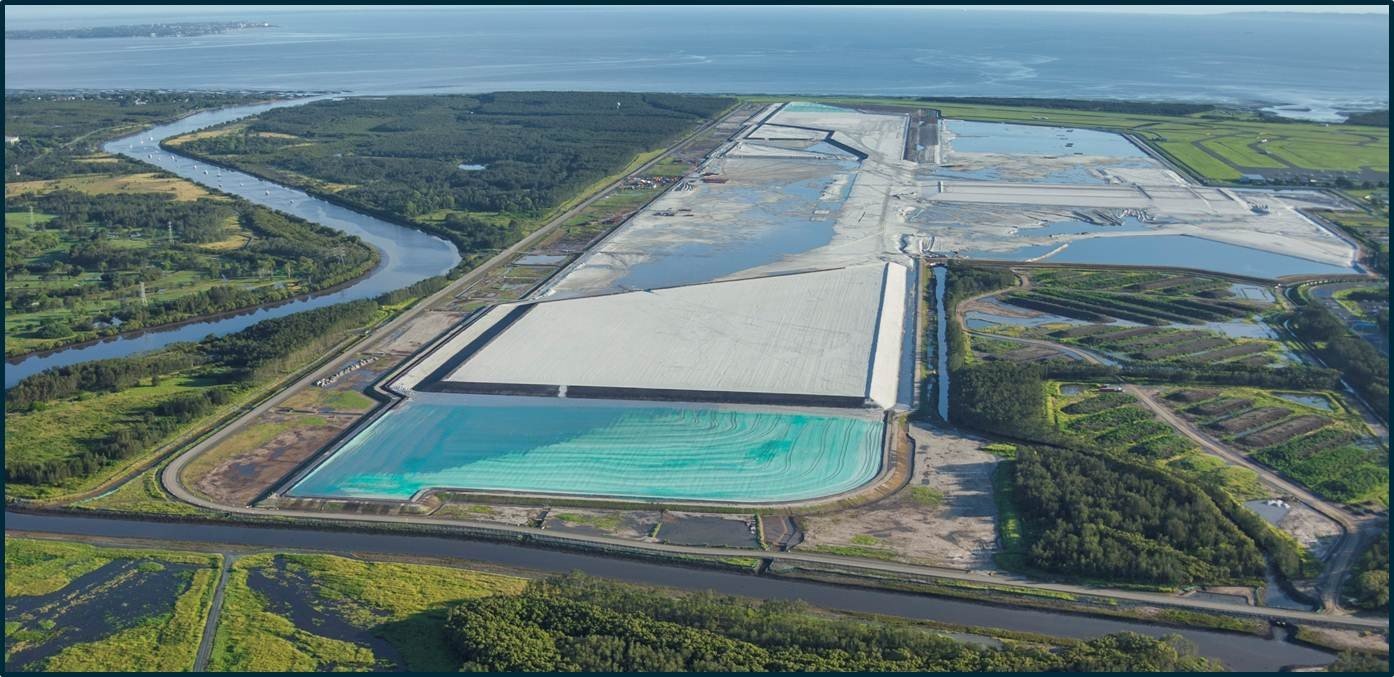
Figure 2: Brisbane Airport’s second runway under construction.
© Brisbane Airport Australia.
This snapshot was prepared by NCCARF. Please cite as: NCCARF, 2024: From the archive. Brisbane Airport’s new runway: accounting for climate change. Snapshot for CoastAdapt, National Climate Change Adaptation Research Facility, Gold Coast.