



Locals care for Indigenous heritage and the foreshore
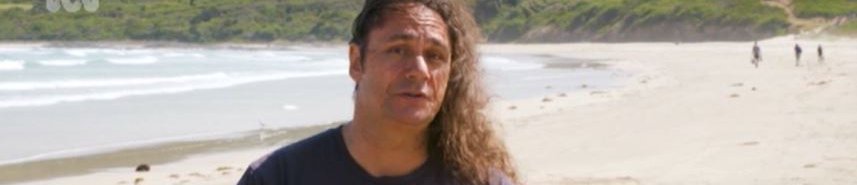
ABC’s Gardening Australia program about Killalea State Park to learn more about the local efforts to care for Indigenous heritage and the foreshore.
Killalea State Park is the jewel in the crown of New South Wales Illawarra region. About 30 minutes drive south of Wollongong, the 265 ha park is a magical coastal reserve containing several endangered plant communities. Killalea park also has several significant Aboriginal cultural sites including middens, quarries and women’s birthing trees.
Regional manager of the park, Nathan Cattel is passionate about restoring Aboriginal culture. In his first year working at Killalea, he was part of a mammoth effort to relocate a 150-year-old red gum (Eucalyptus camaldulensis) scar tree from a nearby basalt quarry site to the park entrance. Although the physical tree is dead, its hollows provide important nesting sites for native birds and its relocation represents a big step in recognising the traditional owners of the park.
As well as the scar tree, Killalea is filled with middens, which reflect generations of community gatherings and cultural practice. Recent environmental changes threaten the surrounding dunes and weed removal and dune revegetation have helped to stabilise the dunes and protect the exposed middens.
The Friends of Killalea community group works tirelessly to control weeds which cover large areas of the park, threatening the ecological communities and Indigenous sites.
Regeneration of the park’s dry subtropical rainforest is another area the group is tackling. With only fragmented patches of rainforest remaining, they focus on weeding and revegetating edges of good remnant vegetation and disturbed sites, which are most vulnerable to weed invasion. And they are seeing results, with two endangered plant species: Illawarra Zieria (Zieria granulata) and the white-flowered waxplant (Cynanchum elegans) recolonising the rainforest patch.
To cite:
This case study was prepared by NCCARF. Please cite as: NCCARF, 2024: Looking after culture and nature in Killalea State Park. Case study for CoastAdapt, National Climate Change Adaptation Research Facility, Griffith University, Gold Coast.