



At a glance
- Mapping and validation: Shoalhaven City Council has ground-truthed and updated mapping of Threatened Ecological Communities (TECs) in coastal and estuarine areas at risk from erosion and tidal inundation to inform Coastal Management Programs
- Adaptation actions: Management recommendations include weed control, revegetation, and restoration of TECs to strengthen natural buffers, improve water quality, and enhance resilience to climate hazards.
- Integration and governance: Updated ecological data supports risk-based planning, statutory controls, and long-term adaptation through alignment with Local Environmental Plans and State policies.

Understanding what's at risk on Shoalhaven's coast
Shoalhaven City Council has conducted mapping to ground-truth and validate the extent of Threatened Ecological Communities (TECs) within its coastal and estuarine areas that are identified to be at risk of coastal hazards. Mapping and validation for six TECs was undertaken for 10 beaches identified to be at risk of coastal erosion and 11 estuaries at risk of tidal inundation. This work was supported by technical advice and grant funding from the Coastal and Estuary Grants Program awarded by the NSW Department of Climate Change, Energy, the Environment and Water (DCCEEW).
Mapping threatened ecological communities in at-risk areas
Two mapping projects have been undertaken by Shoalhaven City Council to ground-truth and validate the extent of Threatened Ecological Communities (TECs) within coastal hazard areas in coastal and estuarine locations across the local government area.
The projects aimed to validate the extent of TECs in coastal and estuarine locations. These areas were selected to be mapped as they were impacted by coastal hazards namely coastal erosion and tidal inundation (as defined in the NSW Coastal Management Act 2016).
These two areas has been previously mapped through regional vegetation mapping of TECs in the Shoalhaven local government area: however not all areas had been verified or validated on-ground, nor had condition assessments been conducted. Additionally, some of the data on known TECs was dated and so needed contemporary information to inform decision making and risk-based threat analysis for coastal hazard areas in the Coastal Management Plan.
These two projects - completed in 2022 and 2024 respectively - mapped TECs that correlated to Council’s:
- high priority CMP study areas: Lower Shoalhaven River Estuary, Open Coast and Jervis Bay, Lake Conjola, St Georges Basin, Sussex Inlet, Swan Lake and Berrara Creek
- medium priority CMP estuaries: Wollumboola Lake, Currambene Creek, Burrill Lake, Tabourie Lake and Willinga Lake
This included 10 beaches identified to be at risk of coastal erosion and 11 estuaries at risk of tidal inundation.
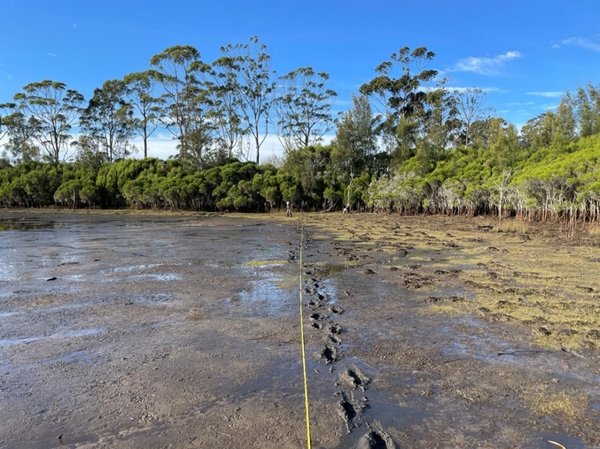
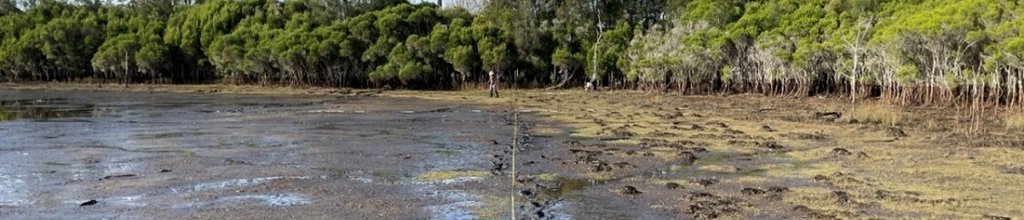
Willinga Lake coastal saltmarsh
- © Shoalhaven City CouncilShoalhaven_Willinga_1
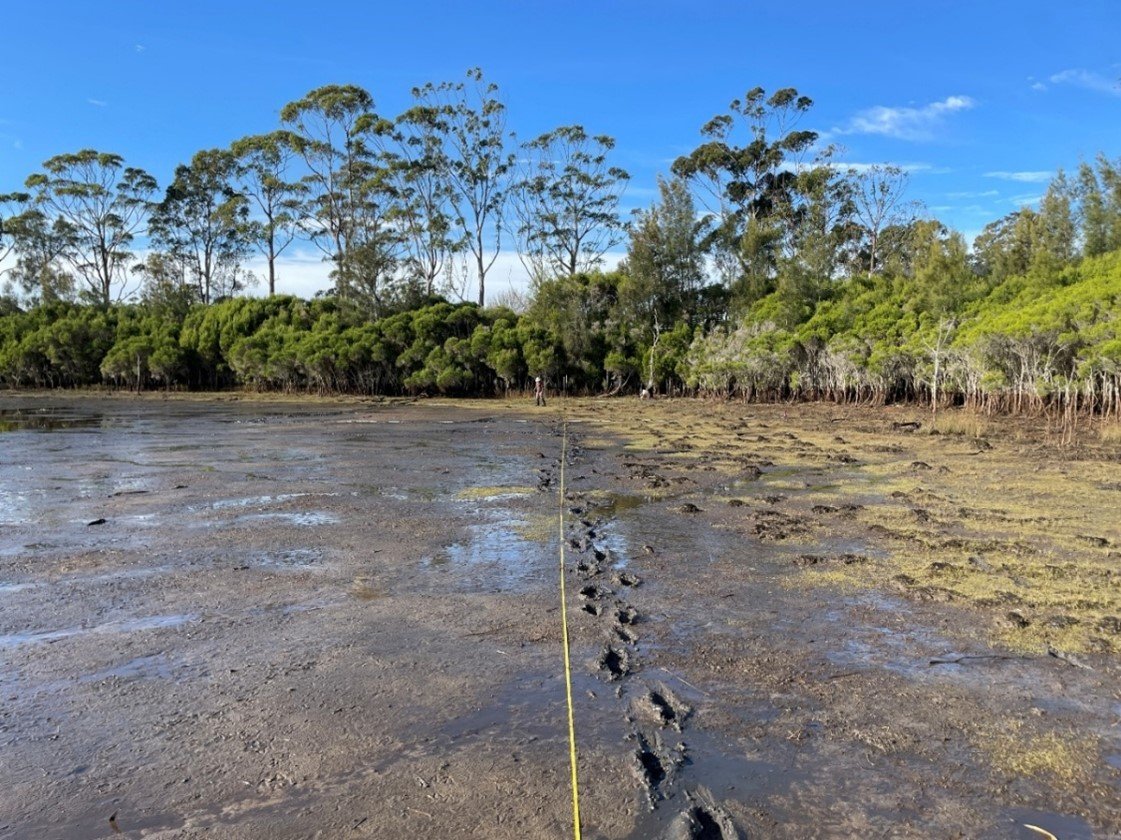
Willinga Lake coastal saltmarsh
© Shoalhaven City Council
Mapping methods
Mapping and validation of the TEC areas was completed by certified ecologists using the Biodiversity Assessment Methodology (BAM) to enable the collection of standardised data to contribute to the NSW Bionet Vegetation Classification Data Collection and the generation of standardised Plant Community Type (PCT) classifications and mapping. The field survey method comprised BAM mapping using ground-truthing plots (20m x 20m plots) and condition assessment plots (20m x 50m) within identified coastal hazard areas.
From this, the regional vegetation mapping was validated and confirmed the presence of the following TECs within the study areas:
- Bangalay sand forest in the Sydney Basin and South East Corner Bioregions
- coastal saltmarsh in the NSW North Coast Sydney Basin and South East Corner Bioregions
- freshwater wetlands on Coastal Floodplains of the NSW North Coast, Sydney Basin and South East Corner Bioregions
- littoral rainforest in the NSW North Coast, Sydney Basin and South East Corner Bioregions.
- swamp oak floodplain forest on coastal floodplains of the NSW North Coast, Sydney Basin and South East Corner Bioregions.
- swamp sclerophyll forest on coastal floodplains of the NSW North Coast, Sydney Basin and South East Corner Bioregions.
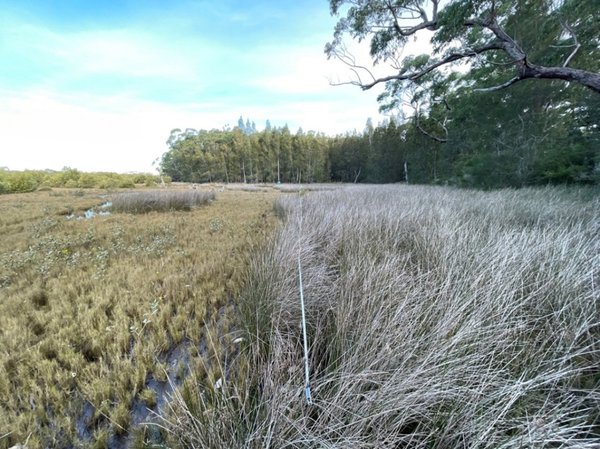
Currambene Creek coastal saltmarsh grading into swamp oak floodplain forest
- © Shoalhaven City CouncilShoalhaven_Currambene_2
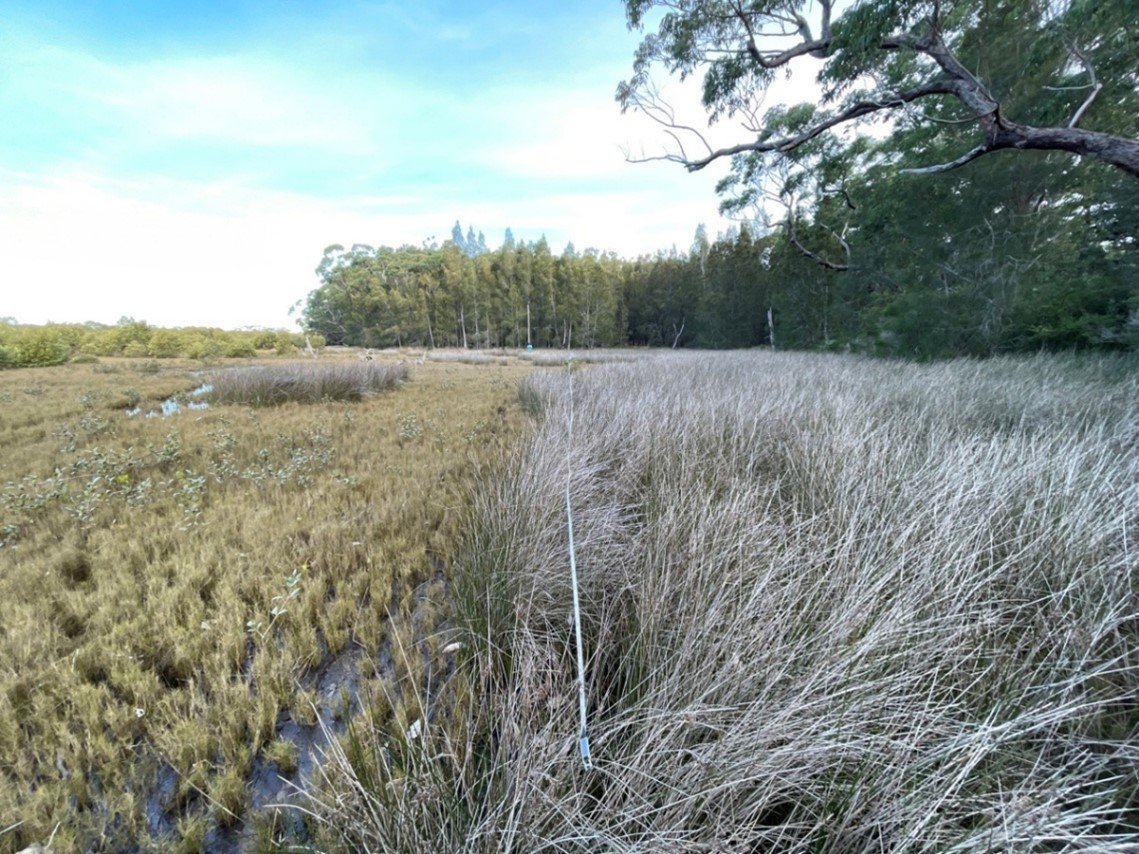
Currambene Creek coastal saltmarsh grading into swamp oak floodplain forest
© Shoalhaven City Council
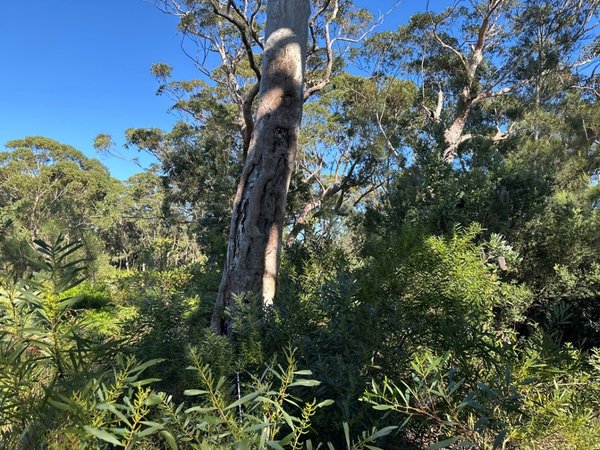
Tabourie Lake Bangalay sand forest
- © Shoalhaven City CouncilShoalhaven Tabourie_3

Tabourie Lake Bangalay sand forest
© Shoalhaven City Council
Outcomes and next steps
The outcomes from this project were up-to-date knowledge of the vegetation condition and threats to the TECs in these areas, and also identified previously unmapped extents of TECs.
A total of 221.3 ha of the mapped areas were identified as supporting TECs. The field validated vegetation mapping completed in 2024 for the medium priority estuaries determined that the extent of TECs in the study area was 30.8% larger than the area presented in regional vegetation mapping.
The mapping from this project is being shared internally within Council and with DCCEEW, and will inform the development and implementation of management actions for the relevant CMPs being prepared by Council. Each project identified management recommendations and these have been provided for each site within the study area to support the long-term protection and enhancement of mapped TECs. Management recommendations include weed control, supplementary planting and revegetation in cleared areas.
Council will continue to validate and update the mapping of TECs within the coastal zone to allow Council to plan for, protect and manage at-risk ecosystems and to support planning and development controls through the update of mapping to support Councils Local Environment Plan (LEP) and, if required by way of Planning Proposal, the extent of coastal management areas mapped with the State Environmental Planning Policy (SEPP) Resilience and Hazards 2021.
Identification and/or implementation of adaptation actions
Since the completion of the 2022 mapping in high priority areas, Council has been successful in receiving funding through the NSW Government’s Coastal and Estuary Grants Program to implement the management recommendations from the previous TEC mapping project in five estuary areas.
Works are scheduled to occur across a three-year timeframe to support long-term outcomes in successfully controlling priority weed species and supporting the growth and establishment of areas of revegetation. All plant species to be installed have been selected from the planting palate of the relevant mapped TEC to restore these areas.
Ongoing revegetation and restoration works within mapped TECs will be beneficial to the local environment and ultimately result in improved adaptive capacity for these environments under a changing climate. These benefits would be expressed directly through greater connectivity and improved condition of TECs and indirectly through mitigation of coastal and estuarine hazards. Environmental benefits would include but not be limited to:
- providing a natural buffer to coastal and tidal inundation events, and support the landward migration of ecosystems with rising sea levels
- positive effect on water quality by stabilising foreshores
- improving fish habitat (e.g. saltmarsh).
information and programs for Shoalhaven's ecological communities
Funding
These projects were funded through the implementation of the former Coastal Zone Management Plan (CZMP) and to support the development and future implementation of Coastal Management Programs (CMPs),
Council received grant funding for these two project from the Coastal and Estuary Grants Program awarded by the NSW Department of Climate Change, Energy, the Environment and Water (DCCEEW).
To cite:
This case study was prepared by Braiya White, 2024.
Please cite as: Shoalhaven City Council, 2024: Mapping threatened ecological communities in Shoalhaven's coasts and estuaries Case study for CoastAdapt, National Climate Change Adaptation Research Facility, Griffith University, Gold Coast.
Project contributors:
- Shoalhaven City Council: Ryan Cope, Nigel Smith, Braiya White
- NSW Department of Climate Change, Energy, the Environment and Water (DCCEEW)
- EcoPlanning Pty Ltd: Sam Mullins