


NT has unique features: blue carbon potential is just one
Blue carbon habitat is extensive in the Northern Territory, which holds 28% of Australia’s saltmarsh, 37% of its mangrove habitat, and 5% of its seagrass. The NT is also home to less common blue carbon habitat types including Melaleuca swamps, billabongs and seasonal wetlands.
The current state and restoration potential for these habitats are being considered under a collaborative project, Investigating Blue Carbon Opportunities in the NT, conducted by Charles Darwin University, the University of Queensland and the Northern Australia Indigenous Land and Sea Management Alliance.
The first phase of this project, which assessed the current state of knowledge of NT’s blue carbon assess and potential, found that estimates of carbon storage in NT are highly uncertain. The two key reasons for this is firstly, there is limited NT-specific field data, and secondly due to differences in blue carbon resources and management between NT and the rest of Australia.
The report highlights the near pristine nature of much of NT’s coastline, which limits the potential for the tidal blue carbon habitat restoration work that is being evaluated elsewhere in Australia and overseas.
Under the Investigating Blue Carbon Opportunities in the NT project, the next phases – which commenced in 2024 – include fieldwork to establish baseline data for NT’s blue carbon habitats, identify carbon hotspots, and map areas of blue carbon habitat degradation.
The team is also exploring a blue carbon credit mechanism based on keeping feral pigs, cattle, buffalo, goats, sheep and other hard-hooved animals out of coastal wetland habitats. These species occur in high number in the NT, causing direct greenhouse gas emission from wetland soils through extensive soil disturbance including rooting and wallowing, and reducing blue carbon habitats carbon accumulation by damaging plants. The researchers will study blue carbon habitats where feral ungulates have been excluded, to support the development of an ‘ungulate management method’ for blue carbon credit assessment.
Pilot project cut short
In 2023, the NT Environment Protection Authority evaluated a proposal to pilot mangrove and saltmarsh restoration on a six-hectare site on Kangaroo Island in the Gulf of Carpentaria. The NT EPA suspended its assessment in August 2023, concluding that a supplementary environmental report was required that further considered potential impacts to the surrounding land, sea, and communities.
Engaging in the Indigenous carbon market
NT’s coastline is approximately 11,000 km and approximately 85% of NT’s coastline is owned by Aboriginal people – who have been part of these ecosystems for millennia – and is now managed under Native Title rights, Land Rights alongside a range of other land tenures.
A blue carbon project must establish their legal right to undertake the project on the sites or assets; which means obtaining all consents from all eligible interest-holders (i.e., landowners). This requires considerable effort and commitment to best practice engagement. This is discussed in detail in the Indigenous Carbon Industry Network's (ICIN), Indigenous Carbon Project Guide.
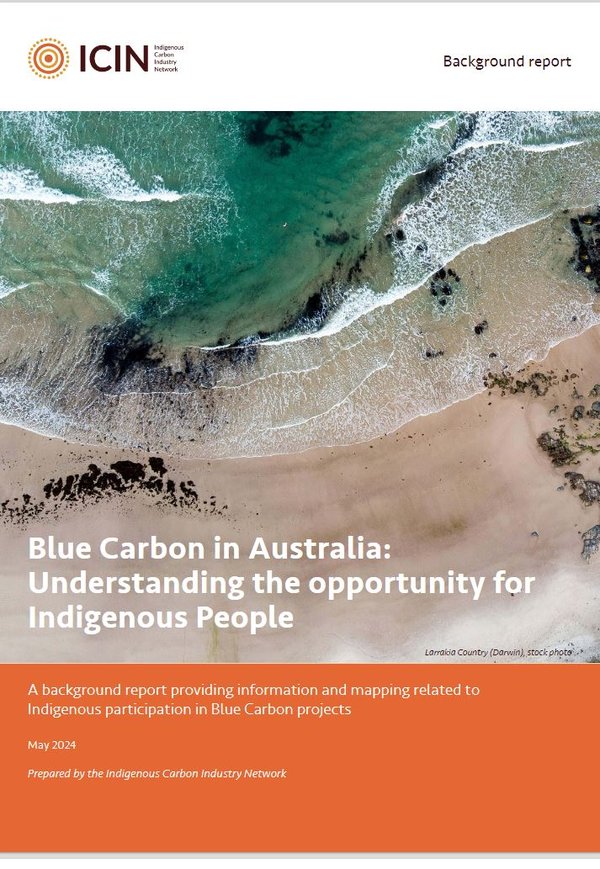
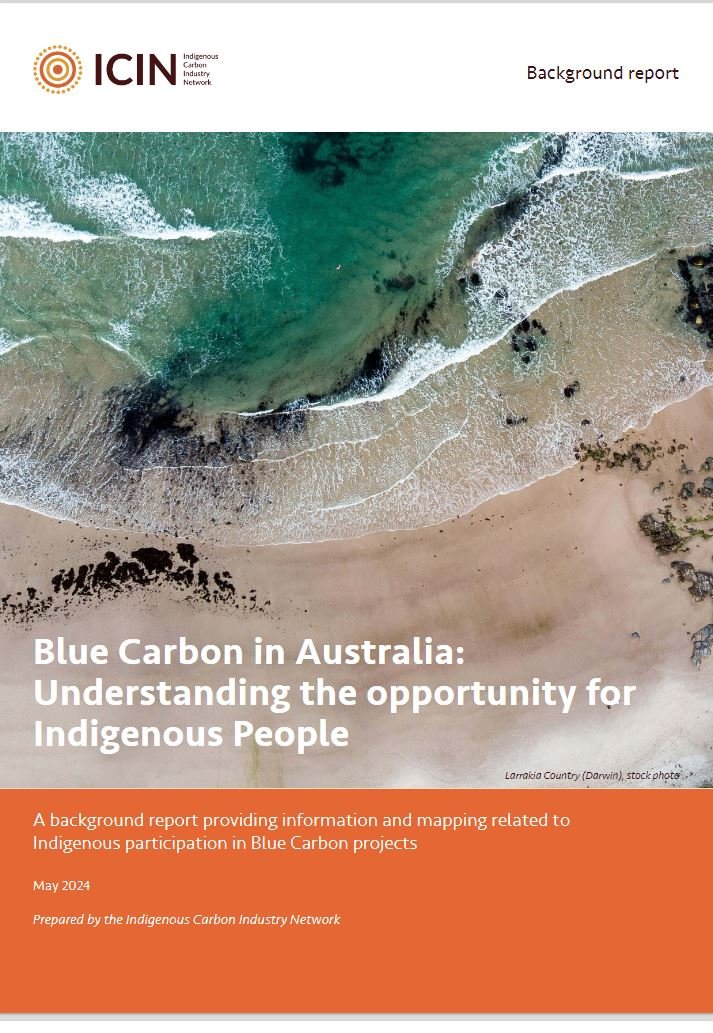
Also useful is the 2024 report Blue Carbon in Australia: Understanding the opportunity for Indigenous People, which also includes a range of international case studies.
Working with Indigenous mobs offer unique opportunities in blue carbon projects
- @ IUCNIndig strategy
Working with Indigenous mobs offer unique opportunities in blue carbon projects
@ IUCN
To cite:
This case study was prepared by NCCARF
Please cite as: NCCARF 2024: NT offers unique potential for blue carbon habitat restoration. Case study for CoastAdapt, National Climate Change Adaptation Research Facility, Griffith University, Gold Coast.