


At a glance
- Plastics are now persistent, pervasive and enduring pollutants in marine and coastal environments.
- Most plastic pollution originates on land and reaches the ocean through stormwater runoff, industrial and household waste, and specific items like cigarette butts and discarded fishing gear.
- Plastics harm ecosystems and wildlife in a number of ways, through physical injury, ingestion, entanglement and biochemical exposure.
- There is evidence that targeted waste management and behaviour‑change strategies can reduce plastic pollution.
- There are a range of strategies that can be taken by governments, organisations, environmental groups, households and individuals to reduce consumption of and pollution by plastic. Local governments have an important role to play in preventing plastics from entering waterways and the marine environment.

The rise and rise of plastic pollution
Plastics are now embedded in modern life, used in everything from packaging, clothing and cosmetics to electronics and construction. Their durability and low cost have made them indispensable, but also problematic once they enter (and persist) the environment.
Plastics do not biodegrade. Instead, they fragment into microplastics (less than 5 mm) that persist in the environment for decades to centuries. These particles are now found in oceans, rivers, soils, the air and increasingly in the bodies of humans (and animals they consume as food). There remains uncertainty around the effects of microplastics on human health.
Plastics and climate change
Plastic pollution and climate change are closely interconnected crises, both driven by the over‑extraction and over‑consumption of fossil‑fuel‑based resources. Greenhouse gas emissions are generated throughout the plastic lifecycle, from raw material extraction and manufacturing to transport, recycling, incineration and environmental breakdown.
Reducing plastic production and use can therefore deliver meaningful co‑benefits for climate mitigation, while also improving environmental and human health.
Although plastic production contributes to emissions at a global scale, the impacts of plastic pollution are most acutely felt at the local level, particularly along coasts and waterways.
Plastics at the coast and in the ocean
Most marine plastic pollution originates on land.
Key pathways include:
- stormwater runoff, which transports litter from streets, industrial areas and construction sites into drains, creeks and rivers
- poorly managed waste, including overflowing bins, illegal dumping and uncovered landfill
- single‑use consumer items, such as food packaging, straws, bottles and cigarette butts with plastic filters
- fishing and maritime activities, including lost or discarded nets, ropes and aquaculture materials.
Once plastics enter waterways, they are difficult to intercept and can travel long distances, accumulating along coastlines and in ocean gyres.

The sources of plastic pollution (top) and the pathways by which plastic pollution reaches the ocean (bottom).
- © Rochman, 2020. Reproduced under a Creative Commons Attribution 4.0.Sources of plastic Rochman 2020

The sources of plastic pollution (top) and the pathways by which plastic pollution reaches the ocean (bottom).
© Rochman, 2020. Reproduced under a Creative Commons Attribution 4.0.
Are we making progress in reducing plastic pollution?
There is some evidence of progress in reducing plastic macro pollution.
CSIRO research found that in the decade from 2012-2022 there was a 39% decrease in debris overall. Most of the rubbish on the Australian coast is made of plastic and includes takeaway packaging, straws, cigarette butts with plastic filters, and plastic fragments – highlighting the continued impact of single-use plastics. The greatest improvements were found in areas with strong waste management strategies, container deposit schemes and targeted litter‑reduction programs.
Despite this, plastics continue to dominate coastal debris, particularly single‑use items.
Microplastics remain an emerging and poorly regulated challenge for a range of reasons including: measurement challenges, evolving toxicology, and inconsistent policy frameworks. There is no evidence so far that their presence in the environment is decreasing.
the wide range of impacts and activities occurring to reduce plastic use and pollution at a national level
This includes national roadmap to align state and territory approaches to single‑use plastic restrictions.
Plastics cause environmental harm in many ways
Plastics are a physical hazard to wildlife
Plastics cause direct physical harm to marine wildlife through:
- ingestion, which can block digestive tracts, reduce feeding stimulus and lead to starvation
- entanglement, which restricts movement, causes injury and increases the risk of drowning or predation
- habitat damage, including abrasion of coral reefs and smothering of seagrass and benthic ecosystems.
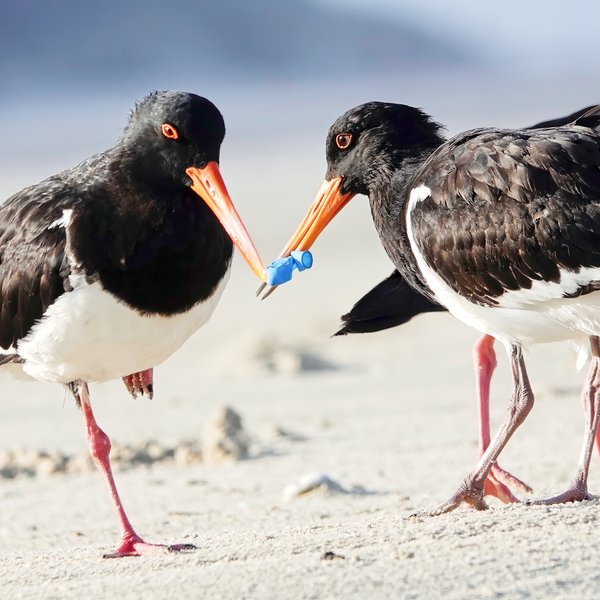
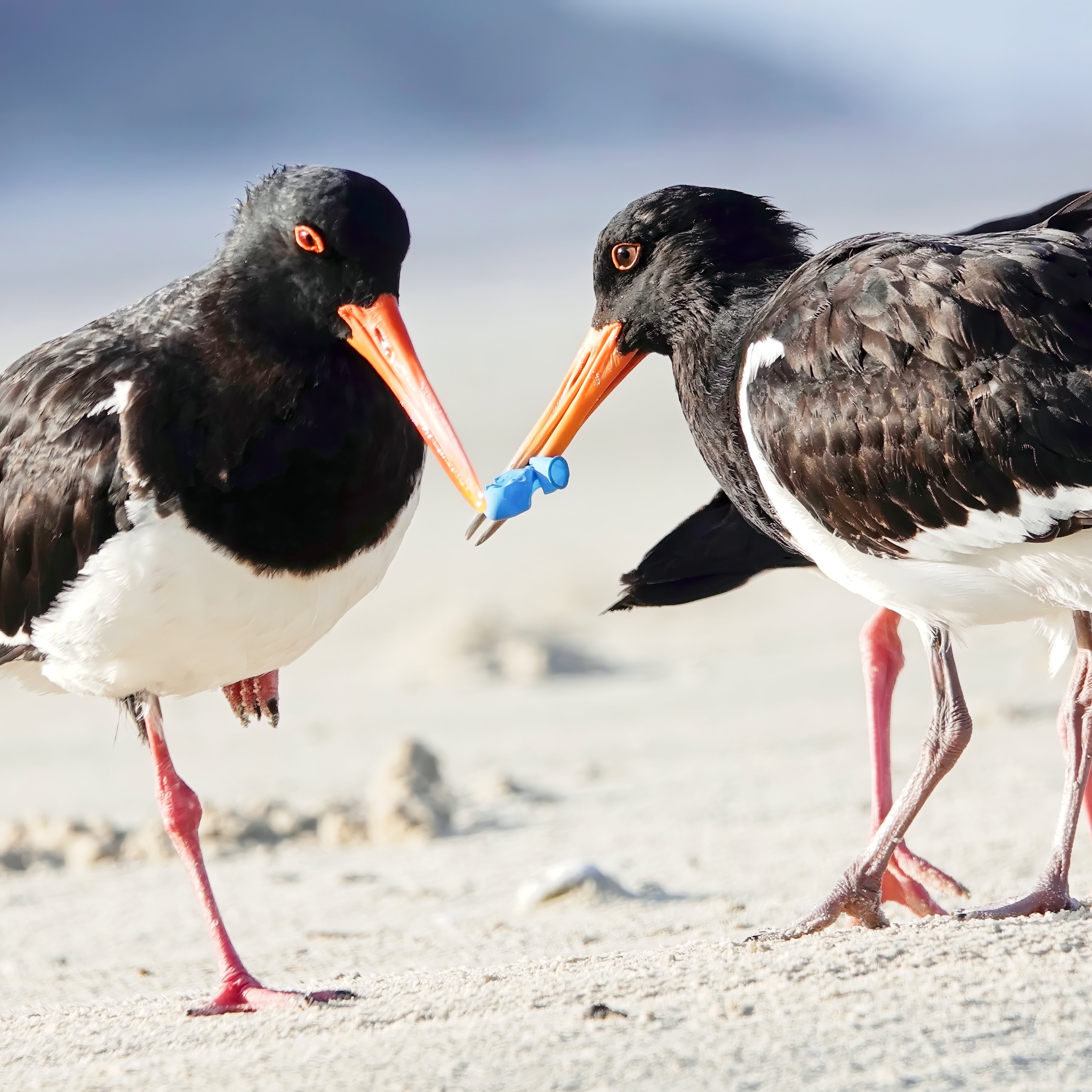
Seabirds, turtles, marine mammals and fish are particularly vulnerable. Species that forage at the ocean surface or mistake floating plastics for prey face higher risk
Bird and plastic 3
@ Reid
Plastics are a biochemical hazard to wildlife and ecosystems
Plastics also pose biochemical risks. Many contain chemical additives such as plasticisers, flame retardants and colourants, some of which are known environmental pollutants. Plastic particles can also absorb and concentrate other contaminants from seawater.
When plastics are ingested, these chemicals can enter food webs, potentially affecting reproduction, growth and immune function in wildlife.
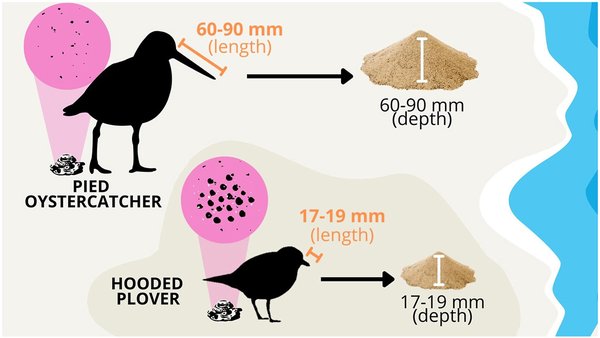
Birds have various feeding strategies that make them vulnerable to consuming microplastics.
- ©Mylius et al 2023Birds feeding strategies and microplastics

Birds have various feeding strategies that make them vulnerable to consuming microplastics.
©Mylius et al 2023
Hazards of plastics for human health are out of scope for CoastAdapt, however the Mindaroo Foundation has an extensive project that focuses on plastics, human exposure and health that includes:
- a searchable library of research that measures the potential human health effects caused by a wide range of plastic collated in the chemicals: Plastics Health Map
- a guide on ways to reduce exposure to microplastics and the toxic chemicals in everyday plastics

Curlews and plastic

© Reid
What councils can do
Local governments are well placed to prevent plastic pollution before it reaches waterways and the ocean. Evidence from Australian and international case studies shows that most effective is a combination of infrastructure, policy, education, collaboration and partnerships.
Many plastic pollution activities can be linked or extended from existing councils activities and provide co-benefits, for example with flood mitigation, amenity, biodiversity, and/or cost savings.
Reduce plastic use through procurement and policy
Councils can lead by example by:
- phasing out single‑use plastics within council operations, events and facilities
- adopting sustainable procurement policies that prioritise reusable and low‑plastic alternatives
- supporting local implementation of state or territory single‑use plastic bans.
Improve waste and litter management
Councils can help to reduce plastic pollution through their own practices and increasing public education, such as:
- install litter‑containment infrastructure at waste collection points and transfer stations
- conduct regular clean‑ups – which also serve as community eduction - to prevent re‑mobilisation of debris during storm events.
Stormwater systems are major conduits for plastic pollution. Effective actions include:
- use stormwater litter traps, gross pollutant traps and screens in priority locations
- integrate litter reduction into water‑sensitive urban design
- prioritise hotspots identified through drainage network audits
- design streetscapes and public spaces to minimise litter generation and accumulation.

Councils can support plastic waste, but just as important is reducing plastic use.
- © Lake Macquarie Council29879-waste-infographic_lakeMac

Councils can support plastic waste, but just as important is reducing plastic use.
© Lake Macquarie Council
Support behaviour change and community engagement
Behaviour‑change initiatives are more effective when they are local, visible and practical. Councils can:
- partner with schools, businesses and community groups to reduce plastic use
- support citizen science and monitoring programs
- promote consistent waste‑sorting and anti‑litter messaging
- participate in national initiatives such as Plastic Free July (see box below).
how to introduce Plastic Free July with resources developed for local councils, schools and businesses
Measure and monitor progress
Measuring and monitoring enables councils to:
- identify priority pollution sources and locations
- evaluate the effectiveness of interventions
- promote progress, which encourages community to keep going
- support reporting and funding applications
- build the evidence base for future action.