


At a glance
- Information is layered so skimmers can quickly grasp key risks and strategic implications, waders can explore simple guidance and case studies to support planning, and divers can access detailed data and technical documentation.
- This approach improves accessibility of information for a range of users.

CoastAdapt's approach to layering information
To meet the needs of a wide and diverse audience, CoastAdapt presents information at multiple levels, ranging from concise overviews to detailed technical guidance.
CoastAdapt adopts a skimmer–wader–diver approach to align the depth of climate information with the varied needs of coastal decision-makers. This approach is inspired by shorebirds and their feeding strategies, which provide a useful metaphor for how users interact with information: some skim the surface for key messages, others wade into moderate detail, and some dive deeply into technical content.
This framework recognises that users engage with information in different ways depending on their roles, interests, and available time. It also acknowledges that a single user’s needs may vary by topic: someone may seek only a high-level overview for one issue, while requiring in-depth technical detail for another.
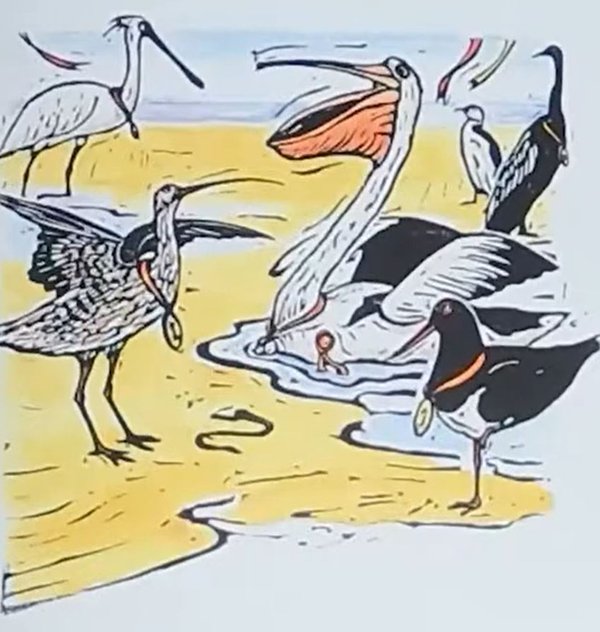
Our approach to providing different levels of information was inspired by the feeding strategies of shorebirds.
- @ Narelle Oliver 1993. The Best Beak in Boonooroo Bay.best beak in boonooroo Bay
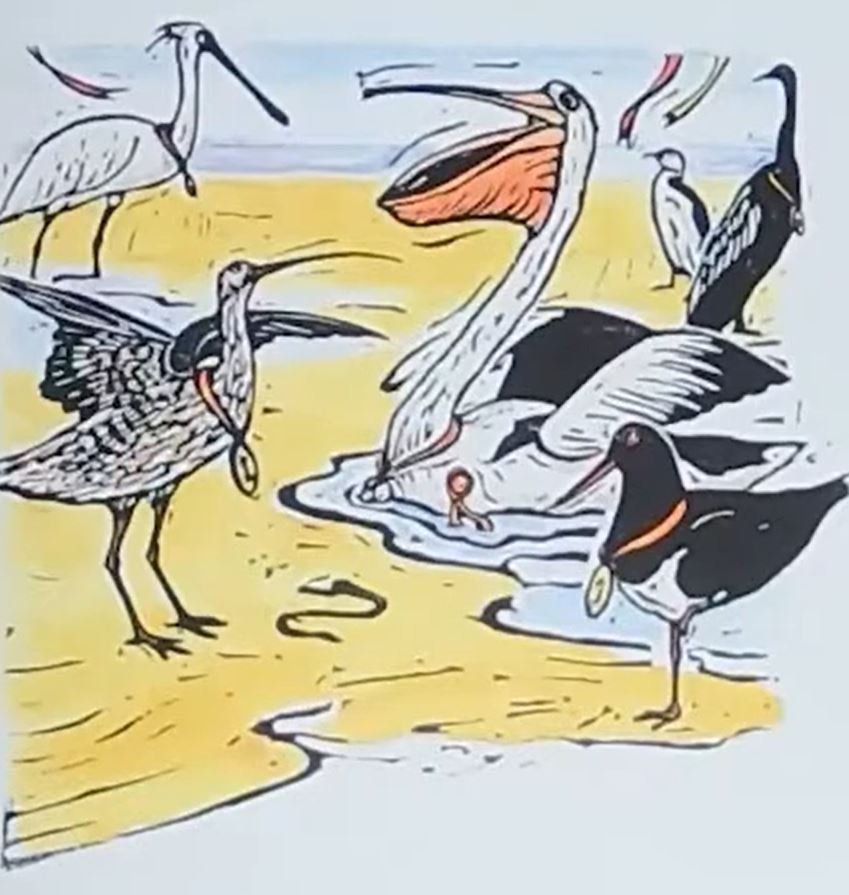
Our approach to providing different levels of information was inspired by the feeding strategies of shorebirds.
@ Narelle Oliver 1993. The Best Beak in Boonooroo Bay.

Skimmers, like a shearwater gliding over the water's surface to seize prey, seek a quick sense of what is ahead.
A skimmer represent users who require rapid, high‑level understanding rather than detailed analysis. These may include elected officials, senior executives or community leaders who need a broad description of a topic and its implications. CoastAdapt supports skimmers through concise summaries , often a one to two sentence description of the content, giving readers a general overview of the topic.
Waders, like oystercatchers probing the shoreline, want a little more substance.
Waders seek intermediate levels of detail. Typically planners, policy officers or adaptation practitioners, they require sufficient information to assess options, understand trade-offs and justify actions. CoastAdapt addresses these needs by providing structured guidance, case studies, and explanatory links between climate drivers, impacts, vulnerability and adaptation responses.
The Wader summary offers a short paragraph or dot points that capture the key ideas — enough to get a sense of the topic, or a little more detail, to be able to brief senior managers or decision-makers.

Divers, like terns plunging below the surface, need depth and detail.
Divers require comprehensive, technical information to support detailed analysis. These users, which may include scientists, engineers and specialist consultants, need more guidance than other users.
The Diver level provides more technical content to explain complex concepts in more detail, often with data, figures and guidance.